
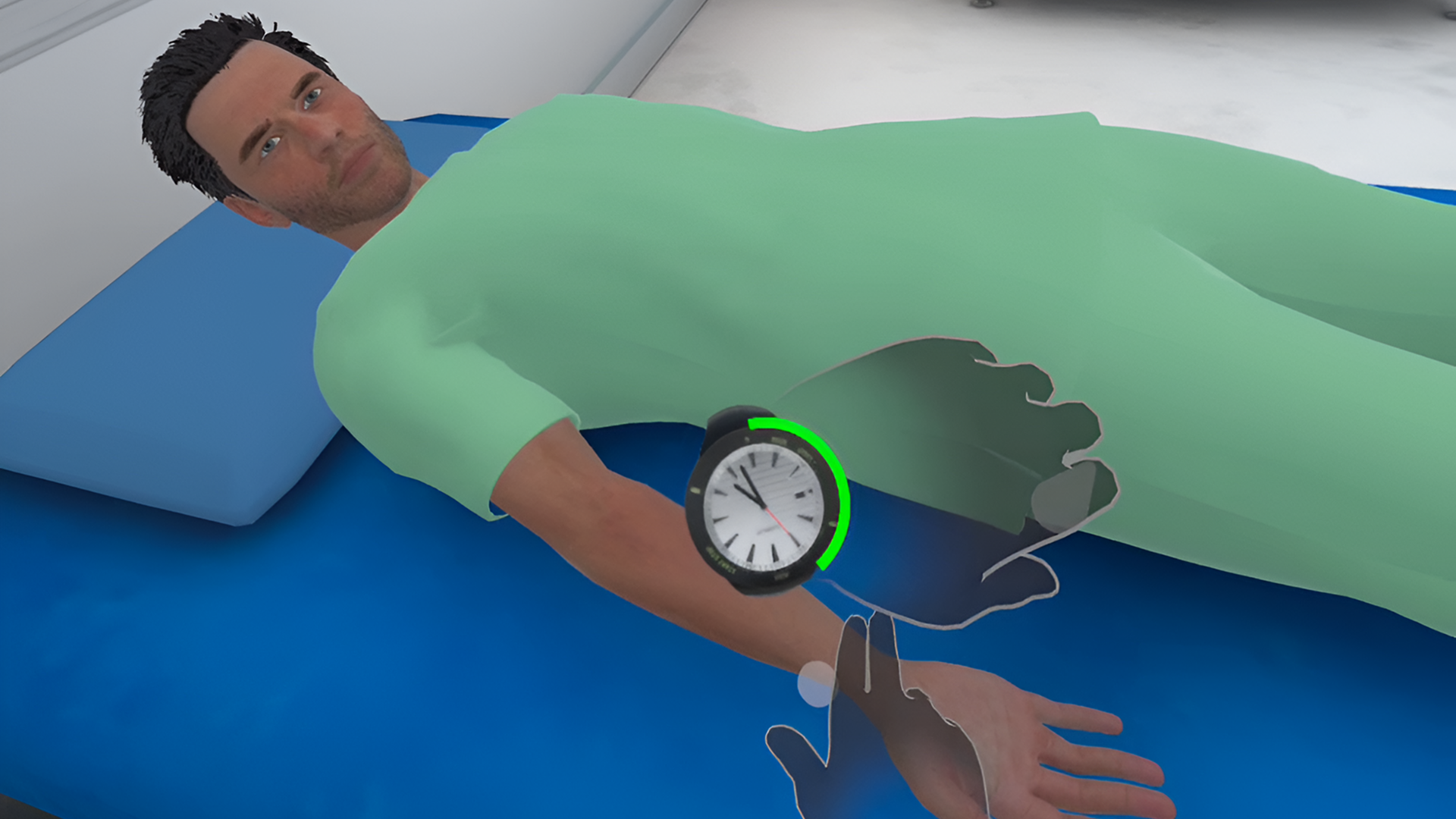
Radial Pulse & Respiration_ Training the Eyes, Ears & Fingers
In an age of monitors and machines, it’s easy to forget that some of the most crucial assessments still rely on a nurse’s eyes, ears, and fingers.
Radial pulse and respiratory rate are vital signs that, when measured and interpreted accurately, can provide the first clues to underlying problems—from shock and dehydration to infection, pain, or respiratory distress.
At ImmersiveQuest, we believe that training in these subtle, tactile assessments is just as important as mastering high-tech interventions. That’s why our VR-based Vital Signs Module brings learners face to face with real-time physiological changes—so they can truly learn to feel what the body is saying.
Back to Basics, But with Purpose
The radial pulse tells us about heart rate, rhythm, and strength. The respiratory rate reveals how the body is exchanging oxygen and carbon dioxide. Both are non-invasive, cost-effective, and immediate—and yet, they are often inaccurately recorded or completely overlooked in fast-paced environments.
Why?
Because they appear simple. But simplicity doesn’t mean low stakes.
In fact, these two assessments often signal deterioration before the monitors start beeping.
The Common Errors We See
Despite being among the first skills taught, common mistakes in pulse and respiration measurement include:
- Measuring the pulse for less than 30 seconds or estimating
- Counting respirations visibly, which can cause patients to alter their breathing
- Ignoring rhythm irregularities or weak pulse volume
- Recording without context (e.g., post-exertion, post-medication)
- Failing to recognize when changes indicate a serious issue
These errors stem not from ignorance—but from lack of practice in live, variable conditions.
The ImmersiveQuest Approach: Sensory-Based Training
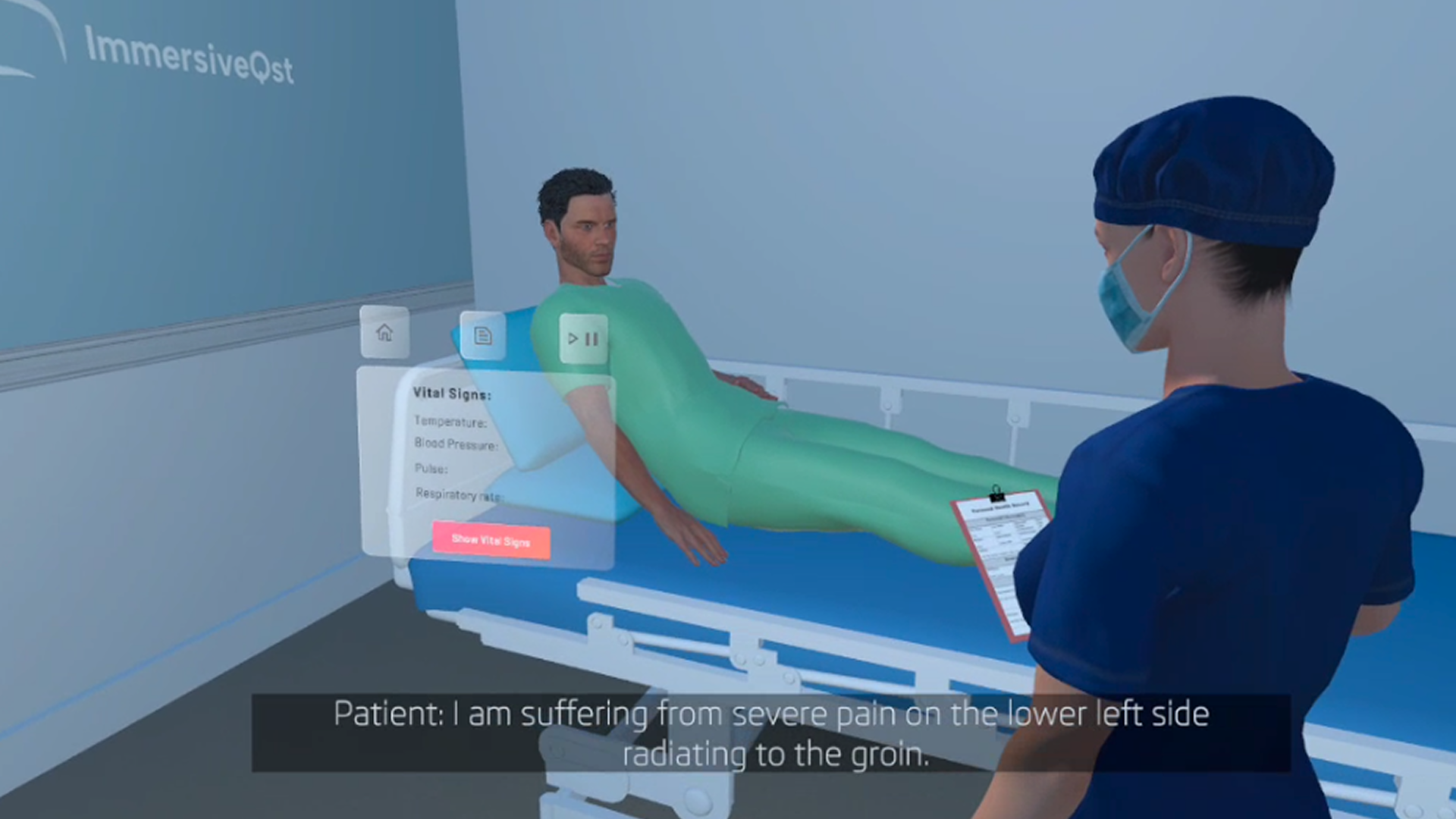
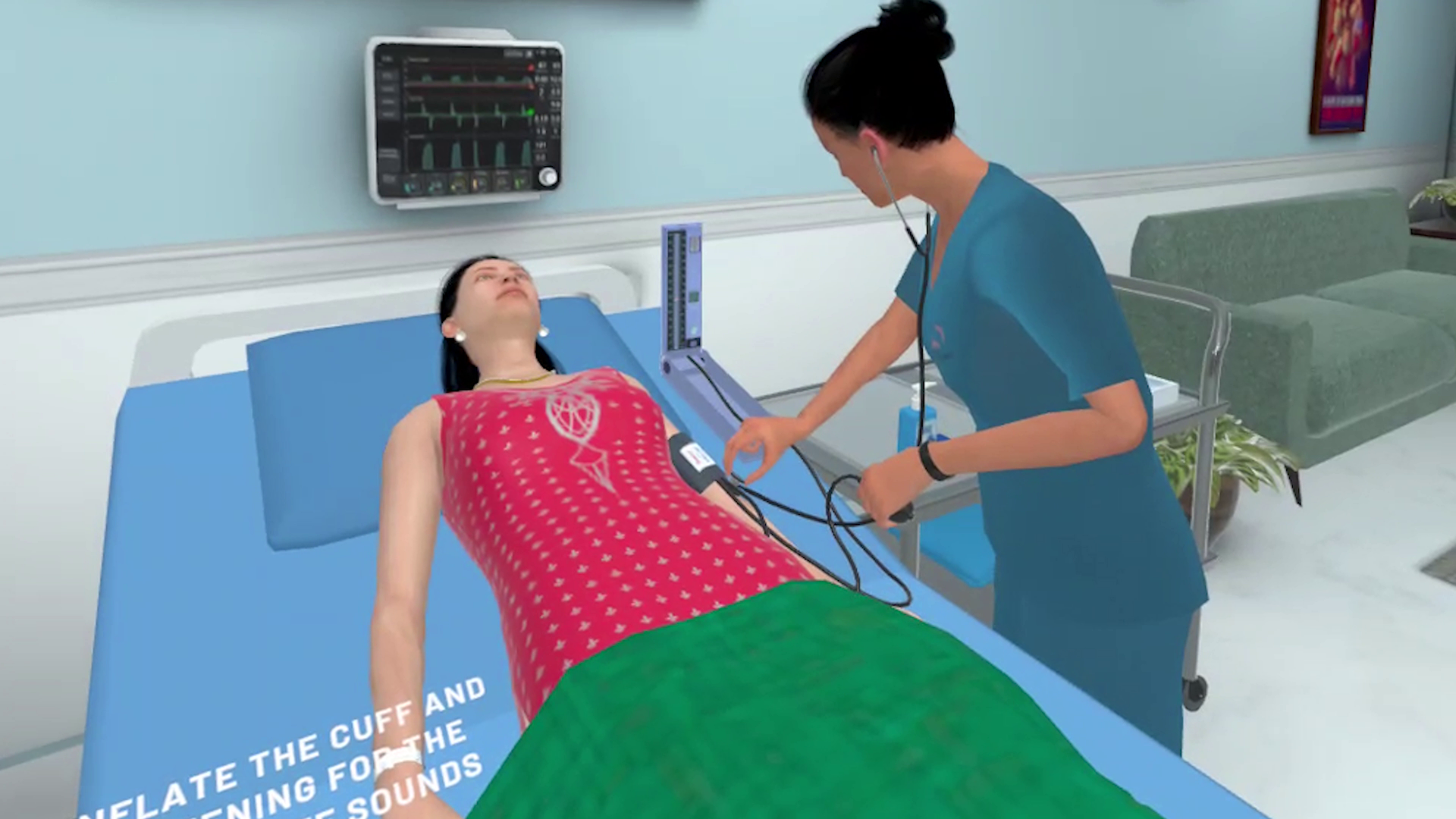
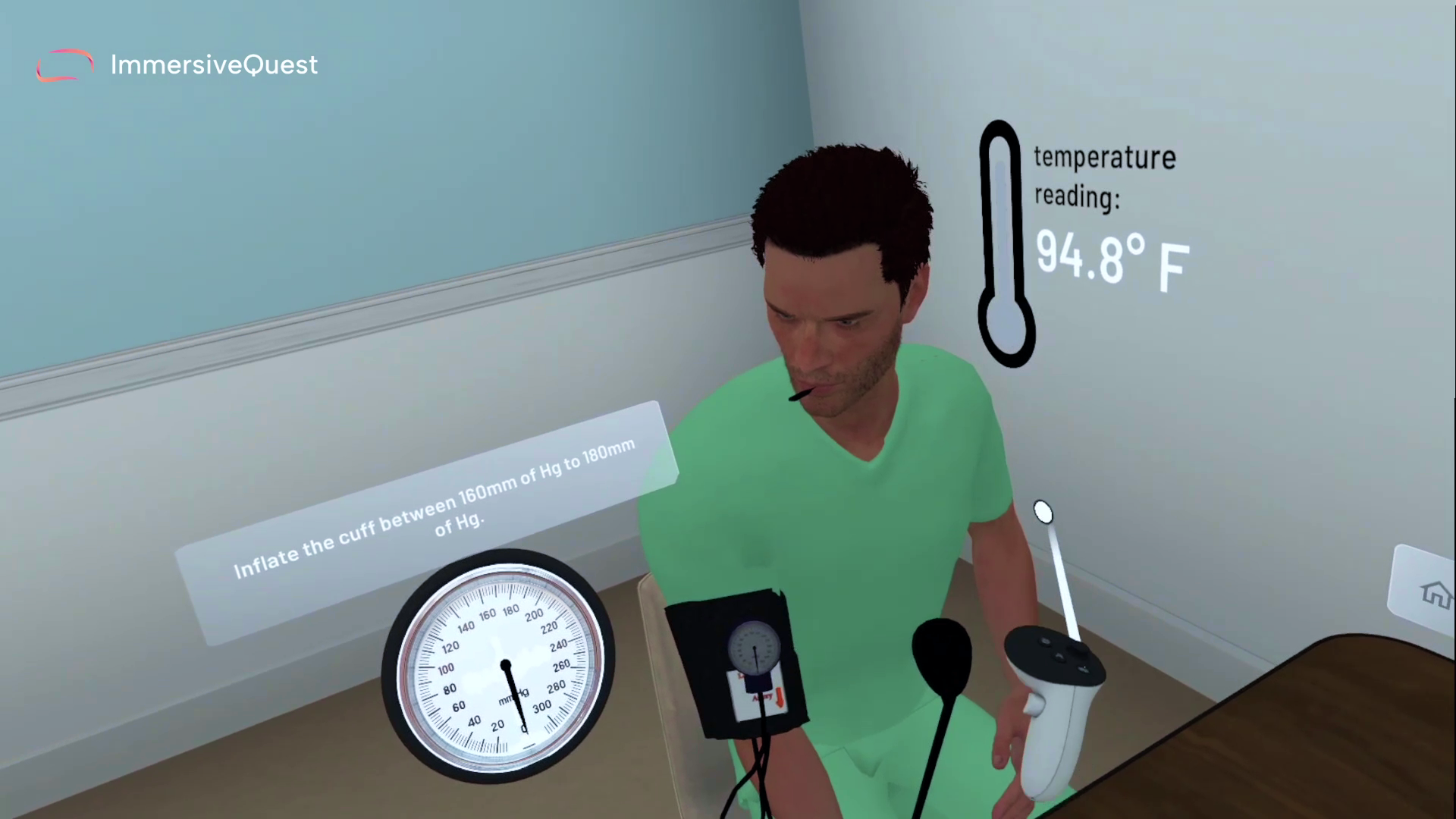
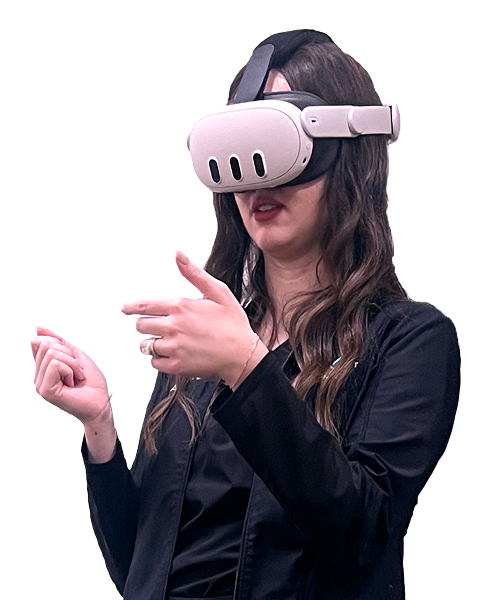
In our VR Vital Signs Training Module, learners enter a realistic hospital environment where they assess virtual patients exhibiting a range of clinical symptoms.
For radial pulse training, users must:
- Locate the correct anatomical point
- Identify rate, rhythm, and volume
- Detect irregularities (e.g., irregularly irregular in atrial fibrillation)
- Decide whether findings are normal or require escalation
For respiratory assessment, they must:
- Observe the patient subtly, without alerting them
- Count breaths accurately over a full minute
- Note rhythm, depth, and effort (e.g., shallow, labored, gasping)
- Spot signs of respiratory distress or compensatory breathing
Each scenario gives real-time feedback and adapts to the learner’s pace and decisions.
It’s Not Just Data—It’s Storytelling
Here’s a quick example:
A post-op patient has a pulse of 110 bpm and a respiratory rate of 26. They’re slightly pale and wincing. What does that tell us?
A trained eye sees more than just elevated vitals—they see pain, possible hypovolemia, or early sepsis. This is where VR shines. It’s not just about the numbers—it’s about reading the full clinical picture.
Muscle Memory Meets Clinical Judgment
Traditional mannequins don’t breathe. Charts don’t wince. Textbooks don’t sigh in pain. But our immersive scenarios do.
By combining:
- Visual observation (chest rise, facial expression)
- Auditory cues (labored breathing, coughing)
- Tactile interaction (feeling the pulse)
We train learners to use multiple senses, reinforcing:
- Confidence in manual assessments
- Clinical intuition
- Swift, accurate decision-making
Why This Matters in Real Life
Studies show that respiratory rate is one of the most sensitive early indicators of deterioration—yet it is also the least accurately documented vital sign.
With ImmersiveQuest’s VR training:
- Learners build confidence through repetition
- Practice various patient scenarios (pediatric, elderly, post-op, trauma)
- Learn to respond, not just record
- Sharpen their senses and intuition
Because in a real emergency, the difference between reacting and responding with purpose could be life-saving.
Elevating Basic Skills to Life-Saving Action
At ImmersiveQuest, we don’t treat radial pulse and respiration as basic skills. We treat them as the foundation of critical thinking in healthcare.
Whether it’s a subtle change in rhythm or an increase in respiratory rate, your senses are your first clinical tools—and we’re here to help sharpen them.
Blogs you might be interested
Free Virtual Training Session
Please get in touch with us and we would be happy to give you
a demo of our cutting edge product.


 USA
USA
4904 Kentwood Dr, Marietta,
GA 30068
 INDIA
INDIA
505 Crossroads Bhumkar Chowk Service Rd. Shankar Kalat Nagar Wakad - Pune 411057

- Follow us on
