
Patient Care in the Virtual Age: How VR is Improving Treatment Outcomes
As the healthcare industry embraces digital innovation, VR has become a game-changer, improving treatment outcomes, patient experiences, and overall healthcare delivery. Here’s how virtual reality and healthcare are revolutionizing patient care.
1. The Role of Virtual Reality in Healthcare
Healthcare has traditionally relied on hands-on training and physical interaction with patients, but virtual reality in healthcare is now offering a new dimension to this. Virtual environments allow for detailed simulations of real-world scenarios, creating more dynamic training and treatment experiences. With VR health technology, patients no longer have to face physical procedures alone. They can experience therapeutic simulations that help reduce pain, alleviate anxiety, and even enhance recovery.
For example, in pain management, VR is used as a form of distraction therapy. Patients undergoing painful treatments, such as chemotherapy or burn recovery, can immerse themselves in calming virtual worlds that reduce their perception of pain and anxiety. Studies have shown that these experiences significantly help in lowering pain intensity, making recovery less stressful and improving overall patient outcomes. VR has proven to be a safe and effective tool to not only manage pain but also foster a positive mental state during physically demanding treatments.
2. Virtual Reality Medical Training
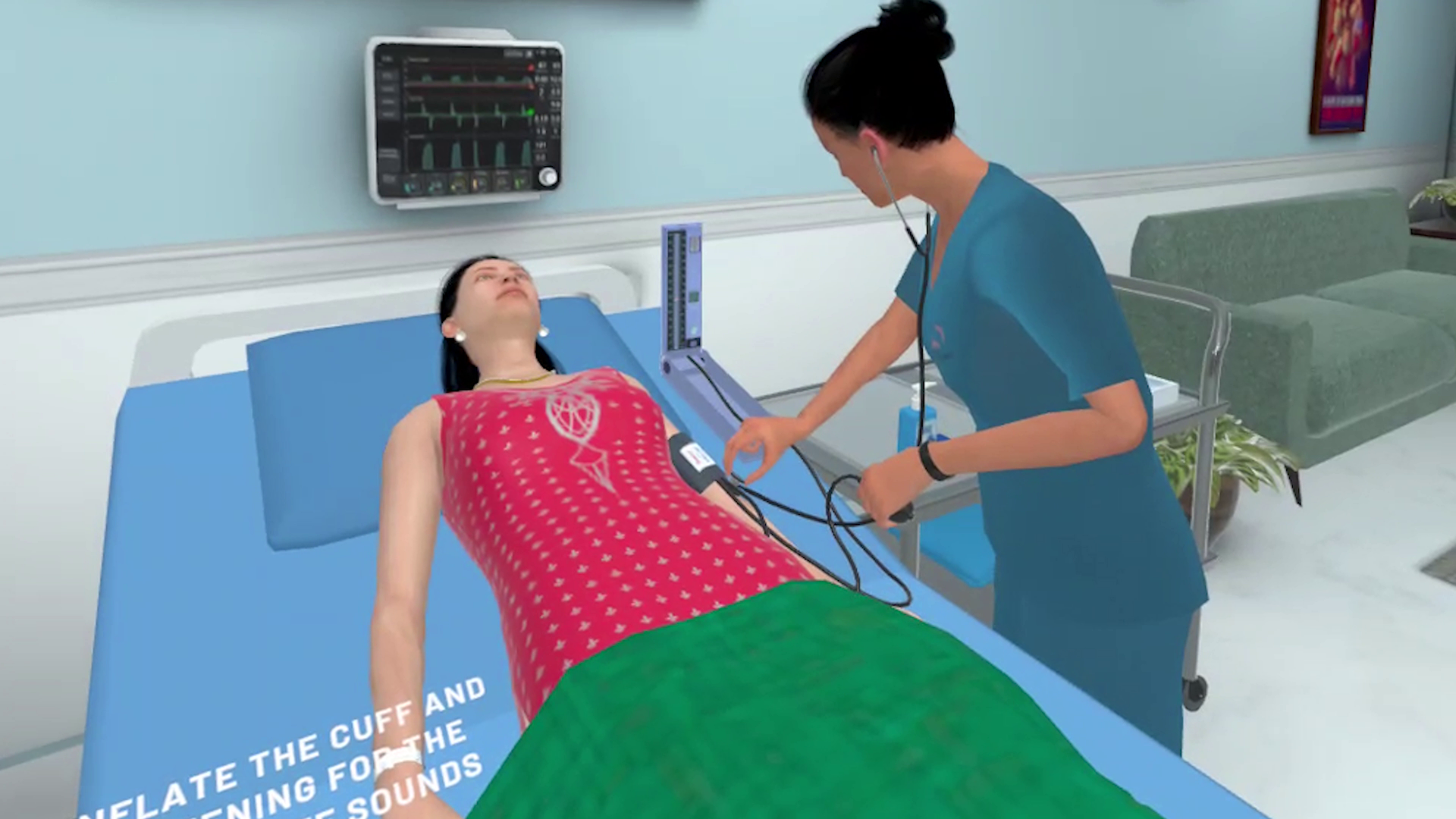
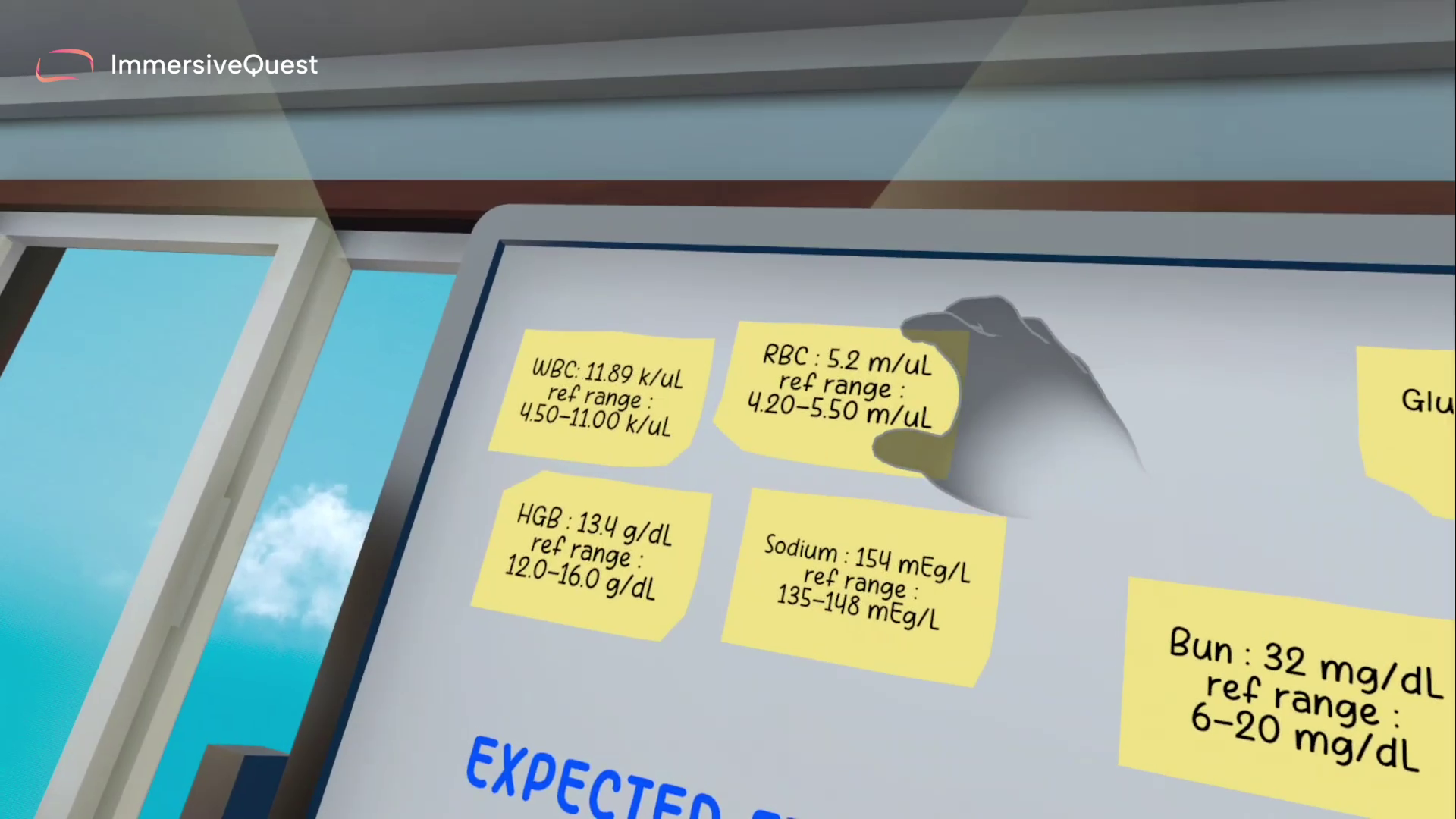
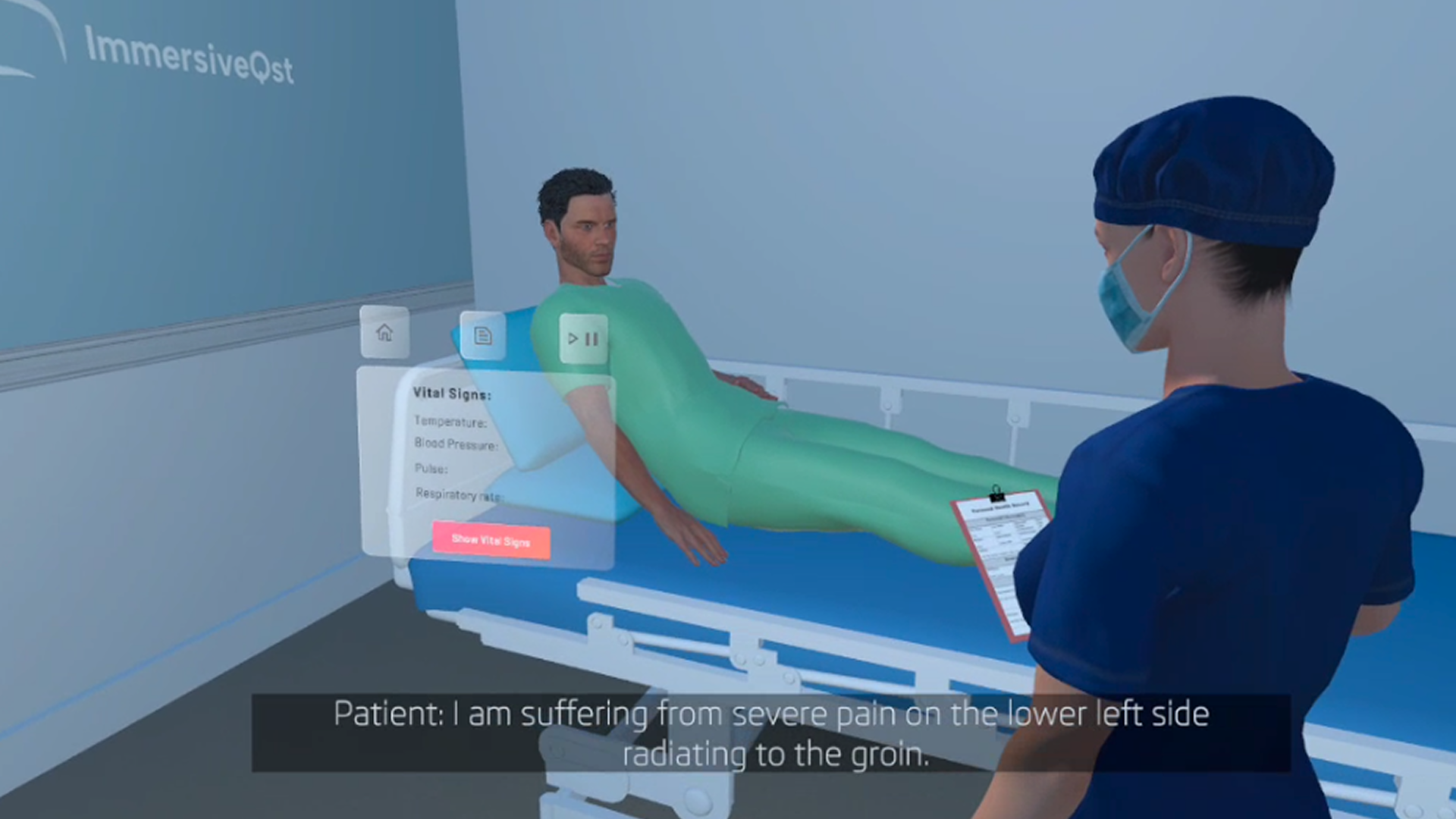
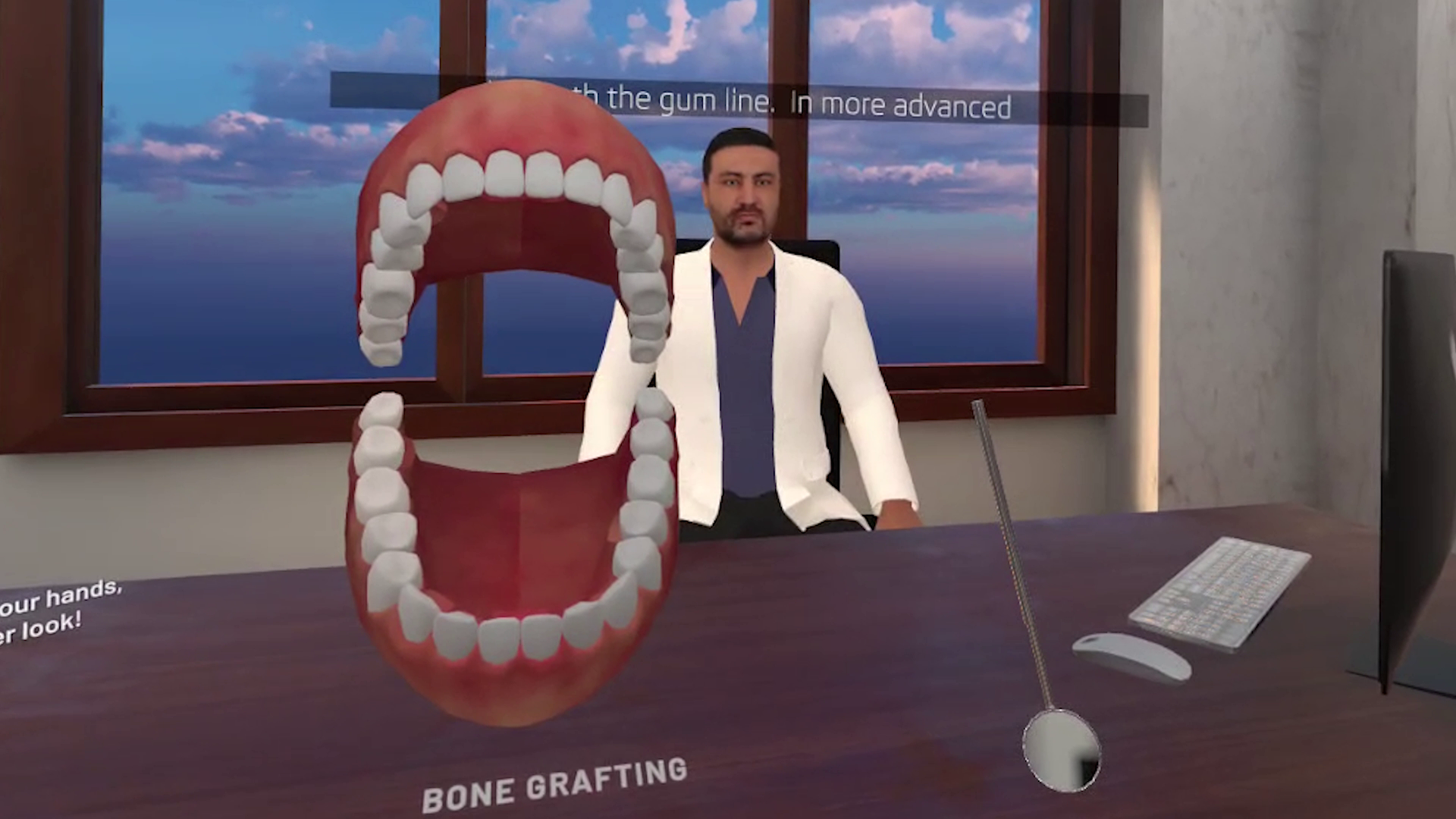
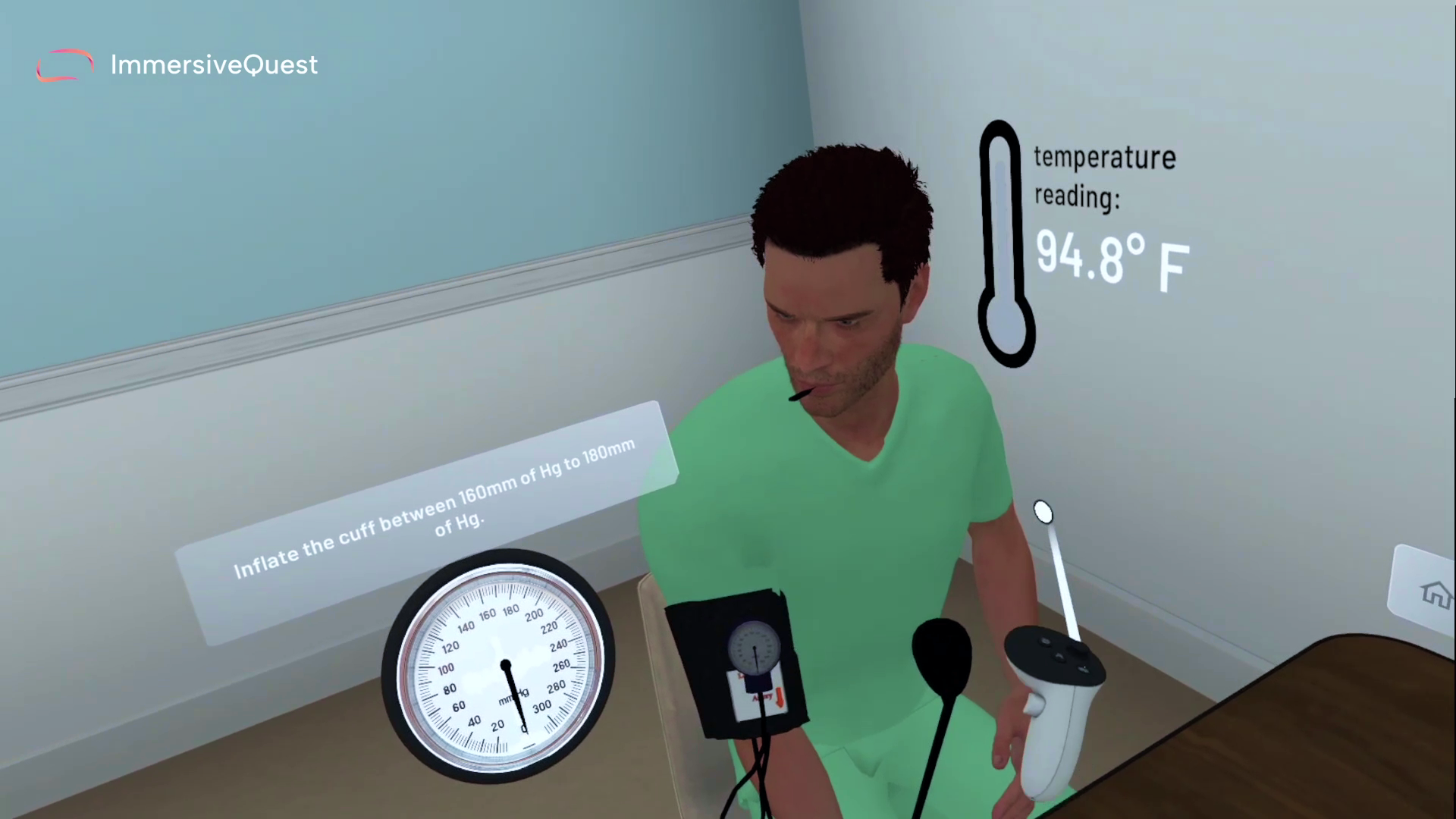
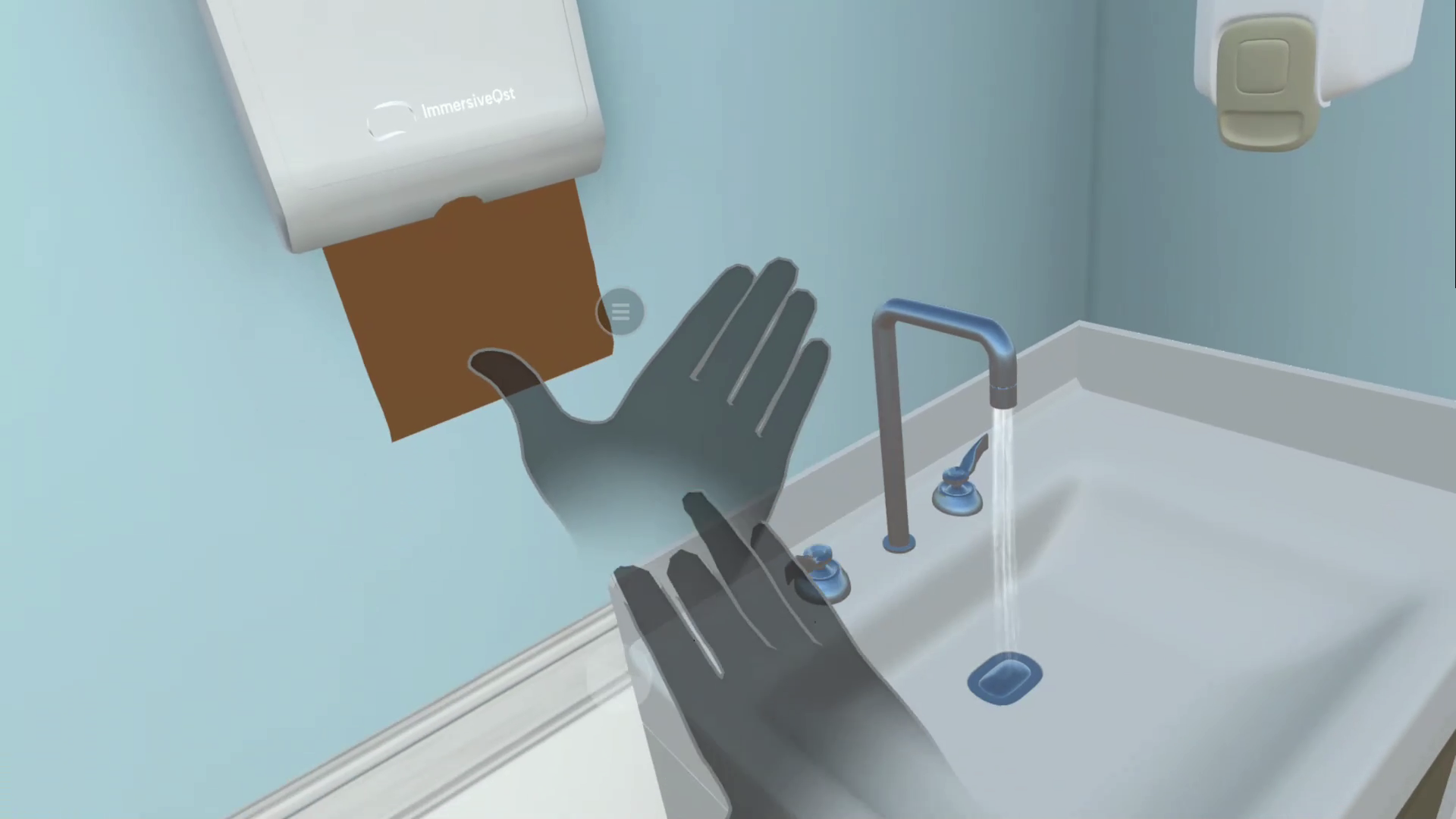
Medical training is the foundation of quality healthcare, but traditional methods come with limitations. Virtual reality medical training is now helping healthcare professionals gain the experience and confidence they need to perform complex procedures. With VR, medical students and doctors can simulate surgeries and treatments without putting patients at risk. This immersive training allows professionals to practice their skills in a safe, controlled environment, giving them the opportunity to make mistakes and learn without consequences.
For surgeons, this technology offers the ability to rehearse delicate surgeries in a highly realistic virtual environment. Surgeons can practice procedures on virtual patients, gaining valuable insight into the intricacies of different surgeries, improving their precision, and minimizing the likelihood of errors during real operations.
3. Virtual Reality in Medical Education
In addition to training healthcare professionals, virtual reality in medical education is changing how medical knowledge is imparted to students. The immersive nature of VR allows students to engage in interactive learning experiences that textbooks and lectures simply cannot provide. Instead of passively reading about the human body or anatomy, students can now virtually “step inside” it. With VR, they can examine the human heart, explore how diseases affect internal organs, and even simulate surgery.
This immersive learning experience allows students to understand the complexity of medical conditions in a more tangible way. By enabling them to visualize and interact with human anatomy, VR enhances the learning process and makes it more effective.
4. VR and Healthcare: Improving Chronic Pain Management
For patients suffering from chronic pain, relief often comes in the form of medications or physical treatments. However, VR health applications are offering a new way to manage pain that doesn’t rely on pharmaceuticals. Virtual reality therapy has proven effective in managing chronic pain, especially for patients undergoing long-term treatments like cancer therapy or burn recovery.
By engaging patients in immersive, virtual environments, VR helps distract them from their pain. Patients in pain often experience emotional distress, and by using VR to create a more calming and engaging treatment experience, healthcare providers can improve both the psychological and physical aspects of recovery.
5. The Future of Patient Care: Combining VR with Traditional Methods
As VR becomes more integrated into healthcare, the potential for virtual reality and healthcare applications is limitless. The future of patient care lies in combining traditional healthcare methods with virtual technology to provide a more comprehensive and personalized treatment approach. Healthcare professionals could use VR for pre-surgery consultations, where they walk patients through procedures in a visual, immersive way, answering questions and helping them feel more at ease.
For physical rehabilitation, VR offers the ability for patients to perform exercises in a virtual world, making recovery more engaging and motivating. Doctors can monitor patients’ progress through VR programs and make adjustments to the rehabilitation plan in real time. This hybrid approach makes the rehabilitation process more effective and enjoyable, which can significantly improve recovery times.
Conclusion: Embracing the Power of VR in Healthcare
As we move further into 2025, virtual reality in healthcare will continue to evolve and play a central role in improving both patient outcomes and medical education. By integrating VR into treatment protocols, healthcare providers can offer more personalized, effective, and engaging care. Whether it’s providing training for medical professionals or offering a new way to manage chronic pain, the applications of VR are limitless.
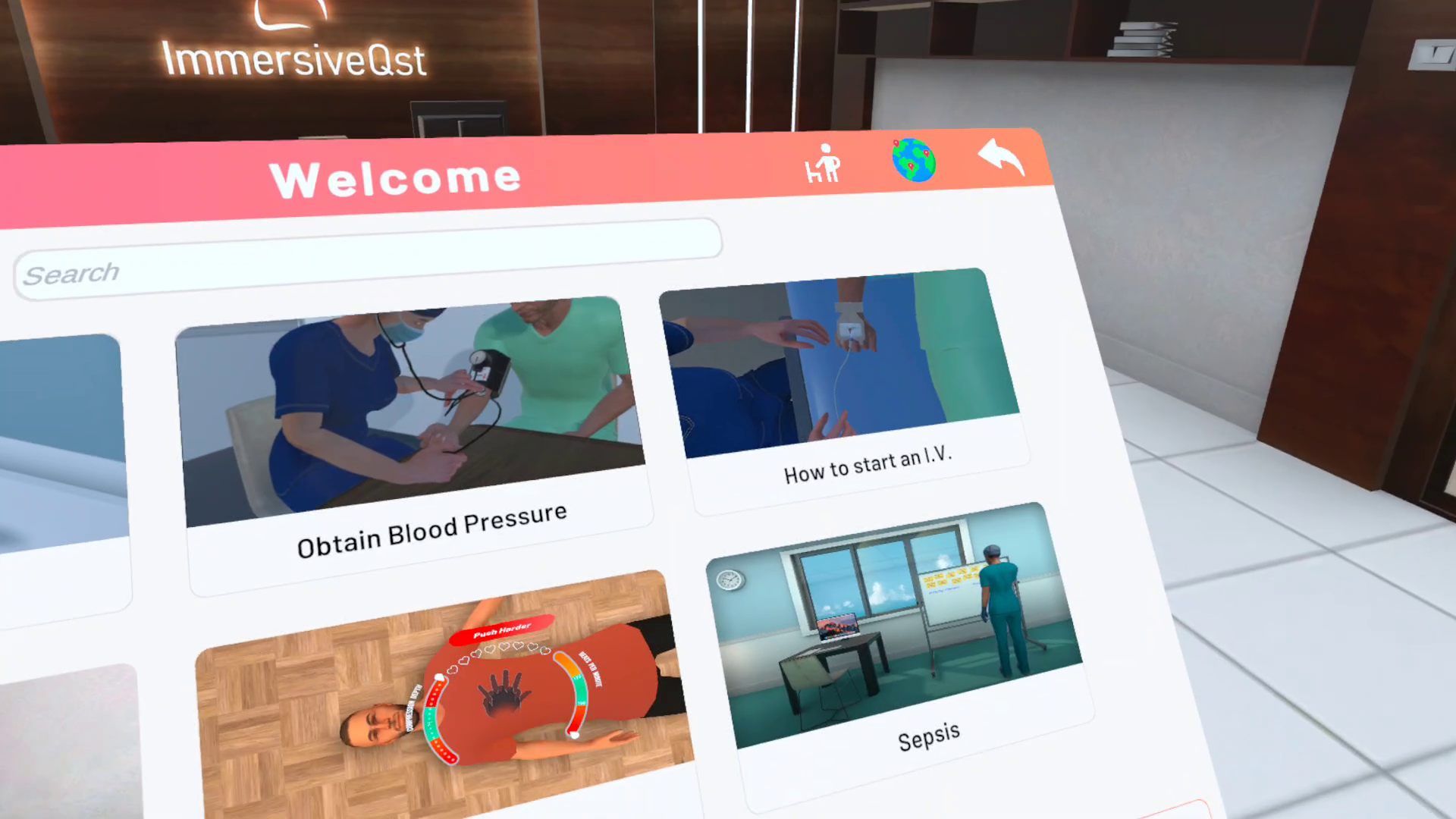
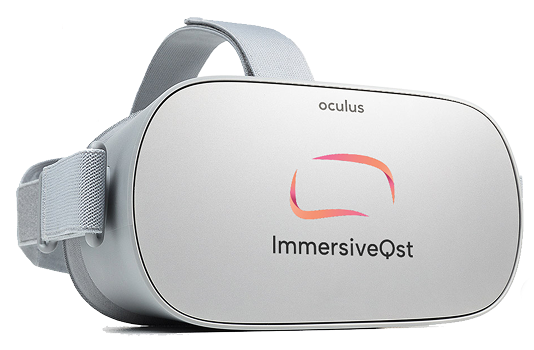
At ImmersiveQuest, we are committed to bringing the future of healthcare training to life with our advanced VR platforms. Our immersive solutions empower medical professionals with hands-on, risk-free training while enhancing patient experiences through innovative therapy and pain management applications. By bridging the gap between traditional methods and cutting-edge technology, we help healthcare providers deliver superior care.
Book a demo today to explore how VR can enhance your healthcare practice and transform patient care.
Blogs you might be interested
Free Virtual Training Session
Please get in touch with us and we would be happy to give you
a demo of our cutting edge product.


 USA
USA
4904 Kentwood Dr, Marietta,
GA 30068
 INDIA
INDIA
505 Crossroads Bhumkar Chowk Service Rd. Shankar Kalat Nagar Wakad - Pune 411057

- Follow us on
