
The Complete Guide to VR Nursing Simulations: Bridging Theory and Practice
The landscape of nursing education is undergoing a remarkable transformation, thanks to the integration of virtual reality in nursing education. Gone are the days when nursing students could only learn through textbooks and limited practical sessions. Today, VR nursing simulation is revolutionizing how future healthcare professionals prepare for real-world challenges.
Transforming Nursing Education Through Virtual Reality
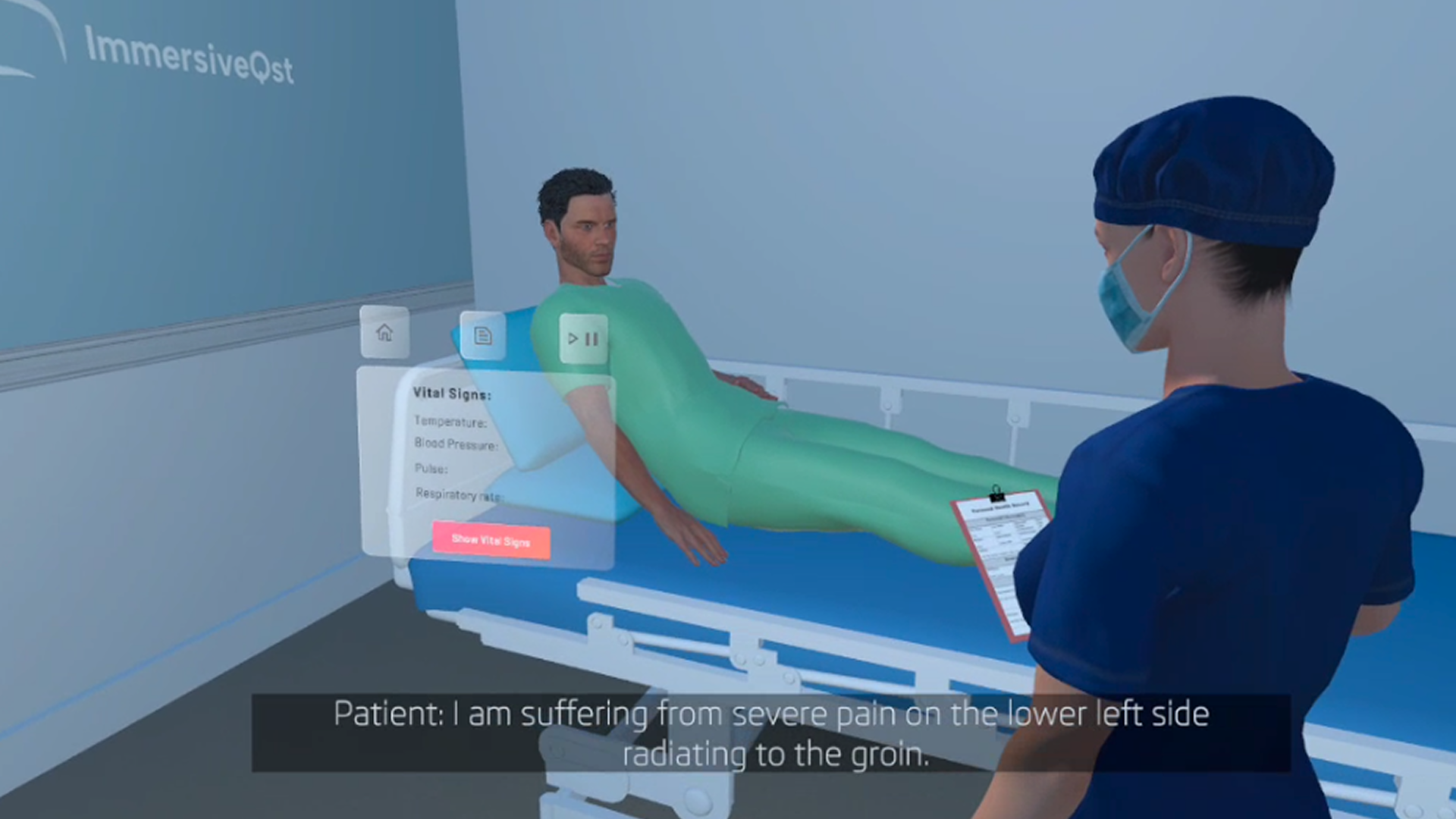
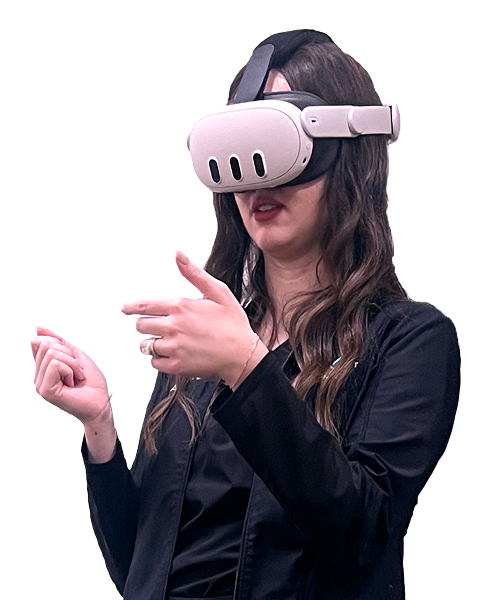
Imagine stepping into a virtual hospital ward where you can practice administering medication, respond to emergency situations, and interact with virtual patients, all without the fear of making real-world mistakes. This is exactly what virtual reality nursing simulation offers to nursing students and experienced professionals alike.
According to a 2022 report by Grand View Research, the global market for VR in healthcare was valued at $2.1 billion in 2021 and is expected to grow at a compound annual growth rate (CAGR) of 27.2% from 2022 to 2030. This rapid growth is driven by the increasing adoption of VR in medical training, patient care, and rehabilitation.
Key Benefits of VR Nursing Simulations
Risk-Free Learning Environment
One of the most significant advantages of VR medical education is the ability to practice high-risk procedures in a completely safe environment. Students can make mistakes, learn from them, and perfect their techniques without putting real patients at risk.
A study published in the Journal of Medical Internet Research (JMIR) found that 87% of medical students who used VR simulations reported feeling more confident in their clinical skills compared to traditional training methods. Additionally, 92% of nursing students said VR simulations helped them better understand complex medical procedures.
Consistent Training Experience
Unlike traditional clinical rotations, where experiences can vary greatly depending on available cases, virtual reality in healthcare ensures that every student receives consistent exposure to both common and rare medical scenarios.
Real-time Feedback and Assessment
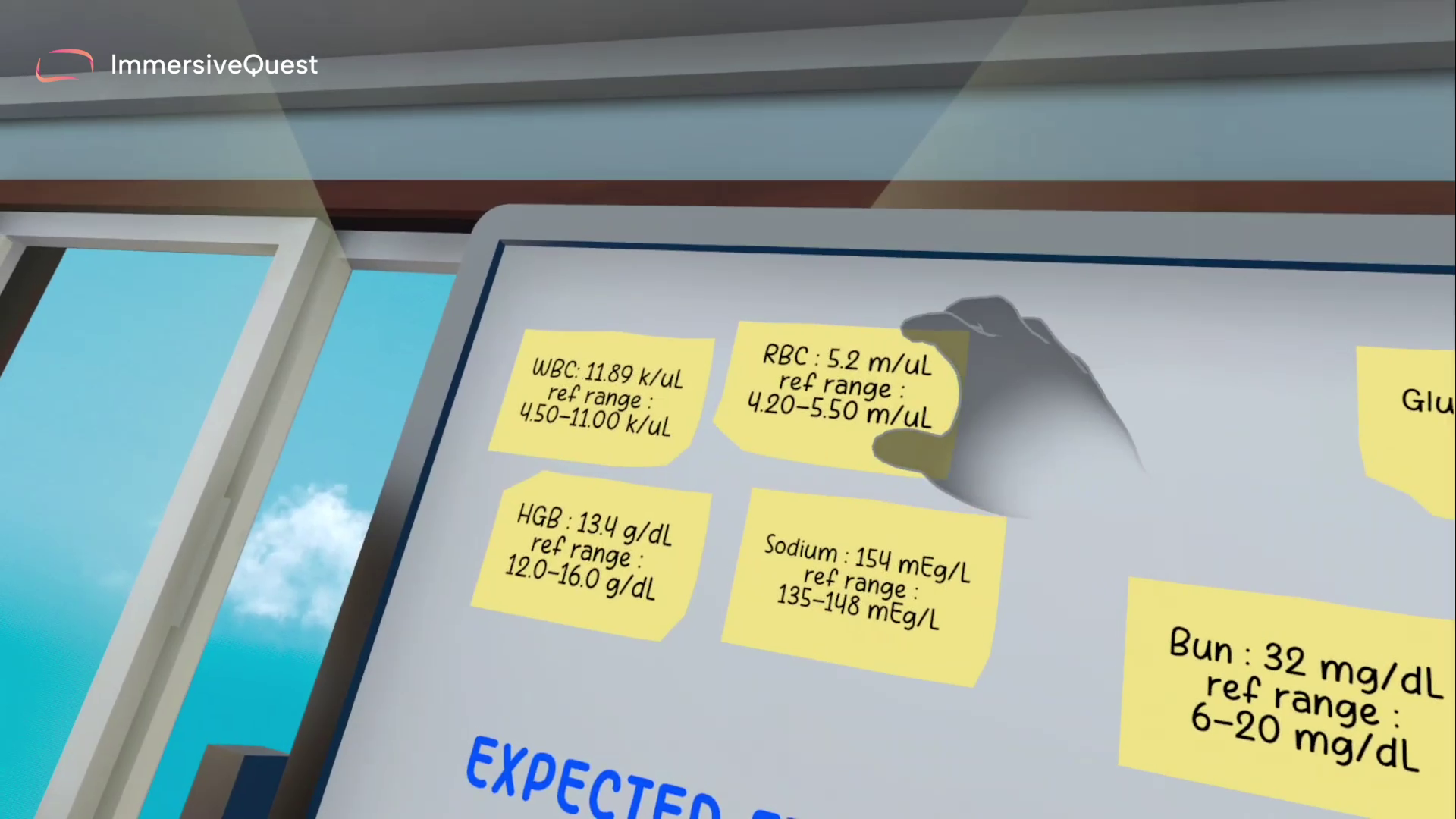
Modern VR medical platforms incorporate sophisticated tracking systems that monitor student performance, providing detailed feedback on everything from hand movements to decision-making processes. This data-driven approach helps educators identify areas where students need additional support.
Practical Applications in Nursing Education
Clinical Skills Training
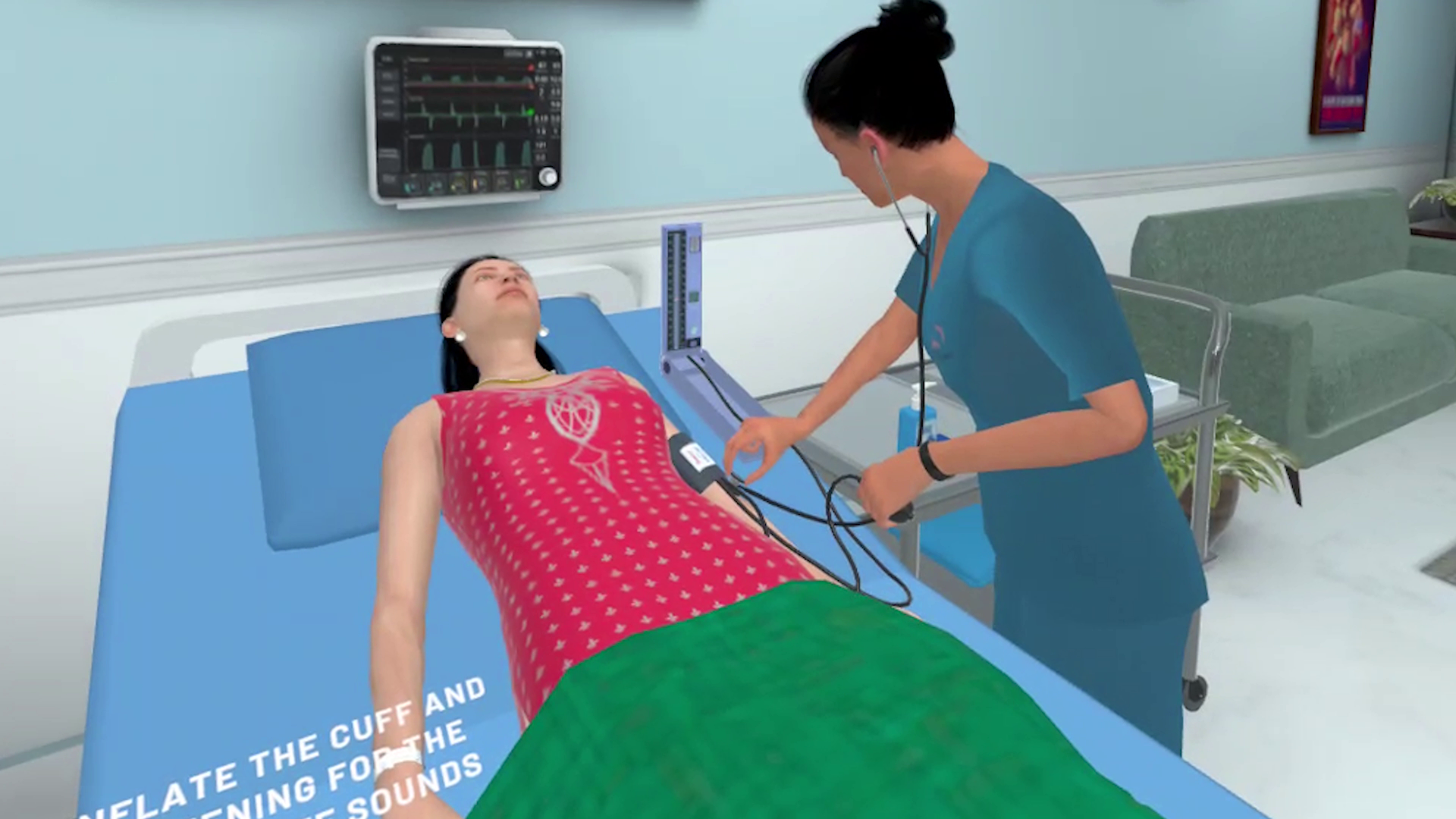
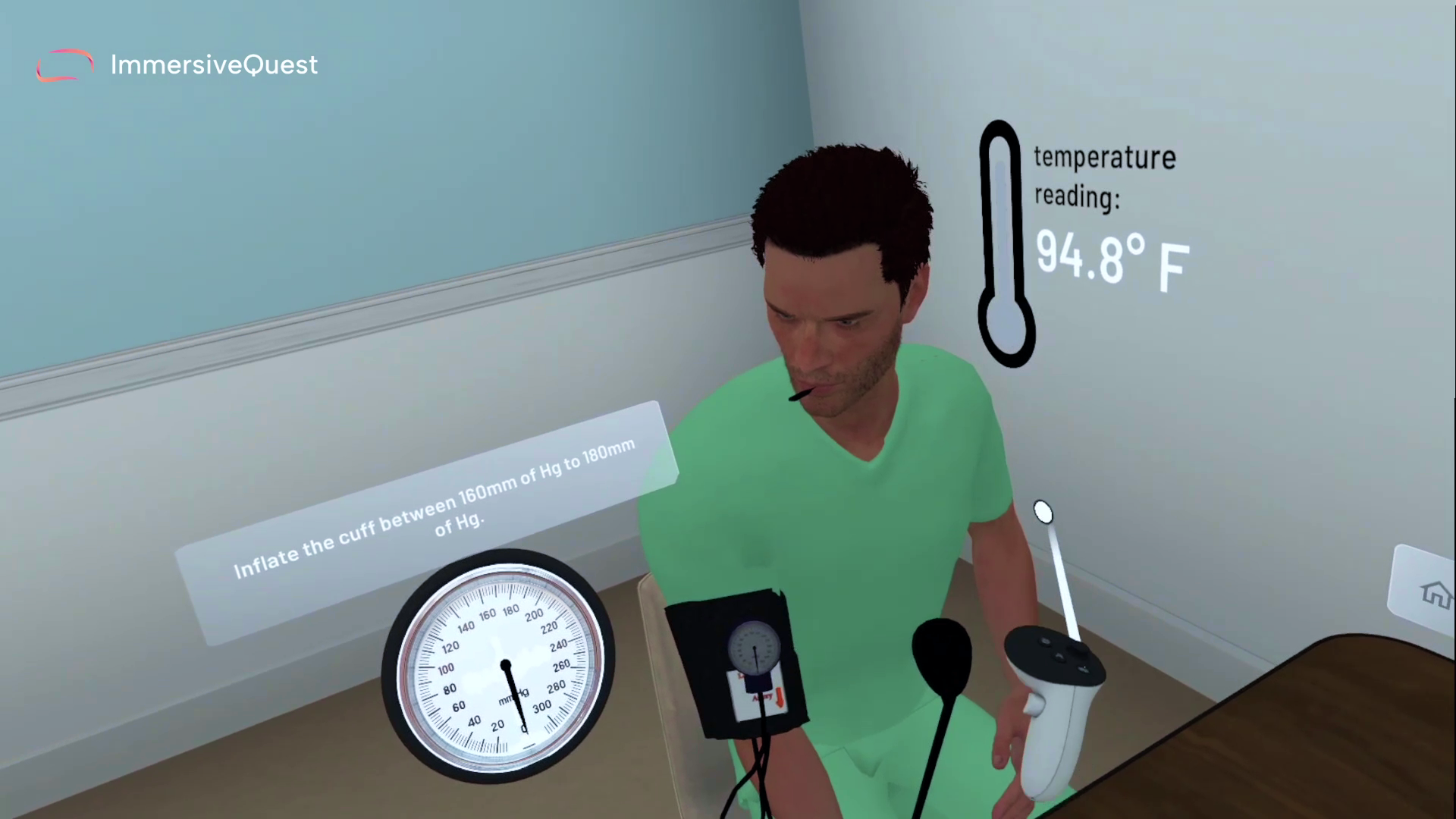
From basic vital sign assessment to complex emergency responses, VR in healthcare applications allow students to practice clinical skills in a controlled environment. The technology can simulate various patient conditions and complications, helping nurses prepare for real-world scenarios.
Communication Skills Development
Virtual reality in medical training isn’t just about technical skills. It also helps nurses develop crucial communication abilities through simulated patient interactions. Students can practice delivering difficult news, conducting patient interviews, and working with diverse populations.
Emergency Response Training
In emergency situations, quick thinking and proper procedure execution are crucial. VR nursing simulations can recreate high-pressure scenarios, allowing nurses to develop muscle memory and decision-making skills they’ll need in real emergencies.
Implementation Challenges and Solutions
While the benefits of VR medical training are clear, implementing these systems comes with its own set of challenges. Here’s how institutions can address common obstacles:
Cost Considerations
While initial investment in virtual reality and healthcare technology may seem substantial, the long-term benefits often outweigh the costs. Many institutions are finding creative solutions through shared resources and staged implementation plans.
Technical Support
Successful implementation requires proper technical support. Healthcare institutions are increasingly partnering with technology providers to ensure smooth operation of their VR medical education programs.
Faculty Training
Educators need proper training to effectively utilize virtual reality in medical field applications. Many vendors now offer comprehensive training programs to help faculty maximize the technology’s potential.
The Future of Nursing Education
As technology continues to advance, we’re seeing exciting developments in AR and VR in healthcare. The integration of augmented reality alongside virtual reality is creating even more powerful training tools. Some emerging trends include:
1. Haptic feedback systems for more realistic procedural training
2. AI-powered patient interactions for more dynamic scenarios
3. Cloud-based platforms for remote learning opportunities
4. Integration with real medical equipment for enhanced realism
Making the Transition
For institutions considering implementing virtual reality in medicine, here are some key steps to ensure success:
1. Start with a pilot program in specific nursing courses
2. Gather feedback from both students and instructors
3. Measure learning outcomes and adjust accordingly
4. Gradually expand the program based on success metrics
Conclusion
The integration of virtual reality in medical education represents more than just a technological advancement – it’s a fundamental shift in how we prepare future healthcare professionals. As we continue to see improvements in both technology and implementation strategies, VR simulations will become an increasingly vital component of nursing education.
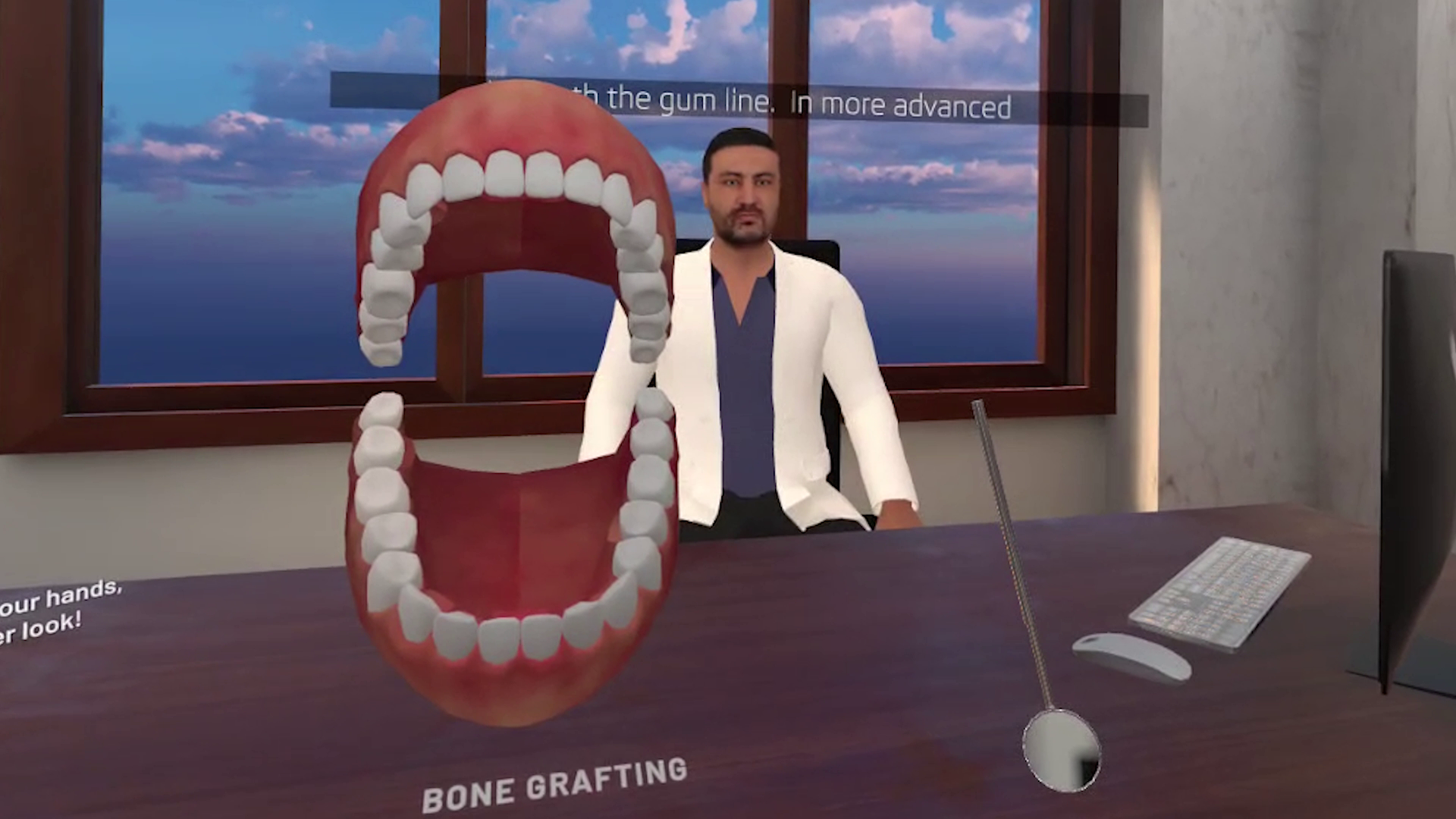
At ImmersiveQuest, we provide VR medical training solutions that bridge the gap between theory and practice. Our immersive nursing simulations provide realistic patient interactions, emergency response training, and procedural practice, ensuring that nurses are fully equipped to deliver exceptional care.
For nursing students, educators, and healthcare institutions, the message is clear: VR nursing simulation is not just the future – it’s the present. By embracing these innovative training tools, we can ensure that the next generation of nurses is better prepared than ever to provide exceptional patient care.
Blogs you might be interested
Free Virtual Training Session
Please get in touch with us and we would be happy to give you
a demo of our cutting edge product.


 USA
USA
4904 Kentwood Dr, Marietta,
GA 30068
 INDIA
INDIA
505 Crossroads Bhumkar Chowk Service Rd. Shankar Kalat Nagar Wakad - Pune 411057

- Follow us on
