
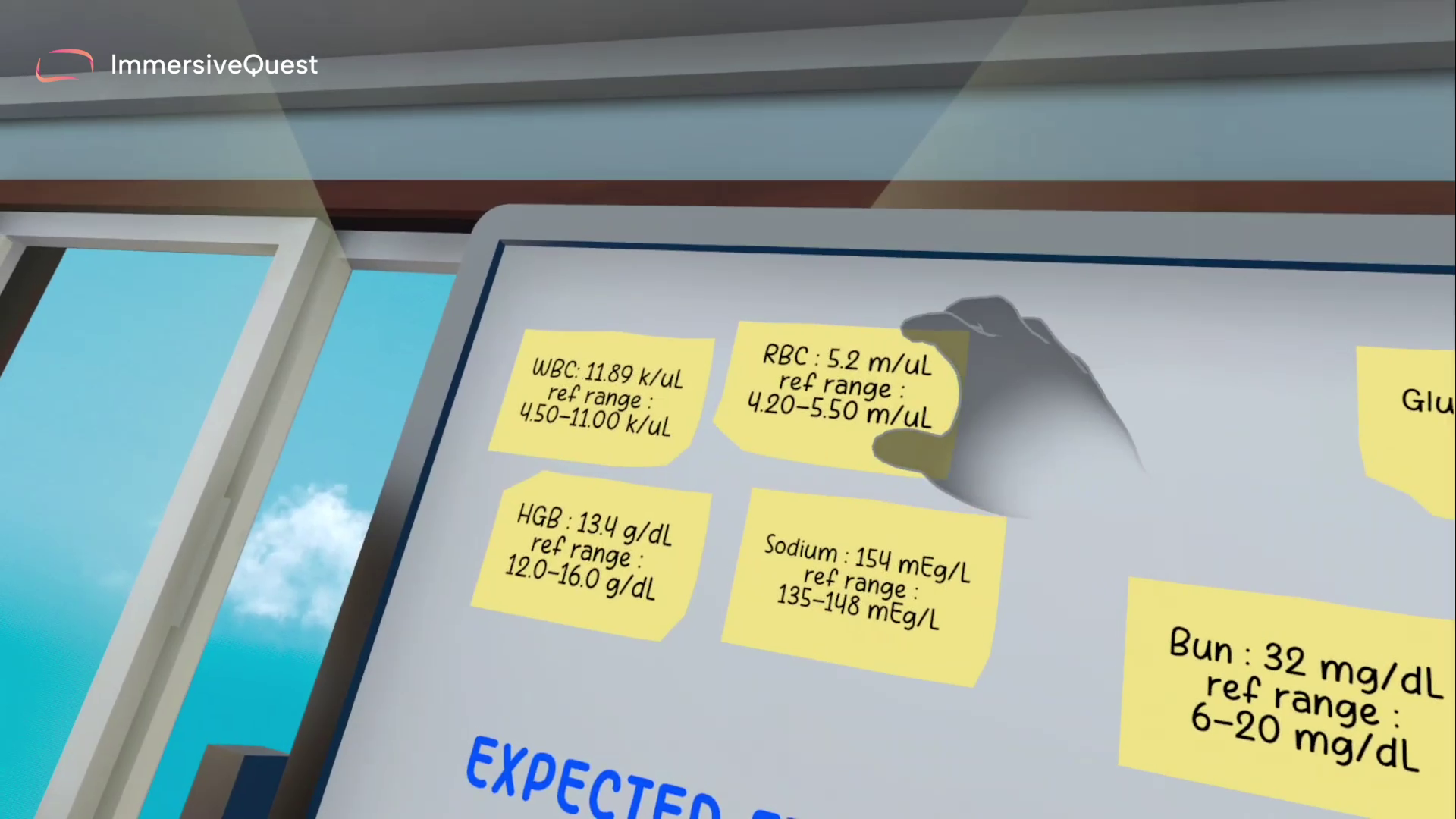
Sepsis Signs_ Minutes Matter, Practice Saves Lives
It starts subtly—maybe a raised temperature, a slightly increased heart rate, or some confusion. But within hours, it can spiral into organ failure, septic shock, or even death.
This is sepsis. Often called the “silent killer,” sepsis is one of the most dangerous and misunderstood medical emergencies, claiming over 11 million lives globally each year. Yet, with early recognition and immediate action, sepsis is treatable.
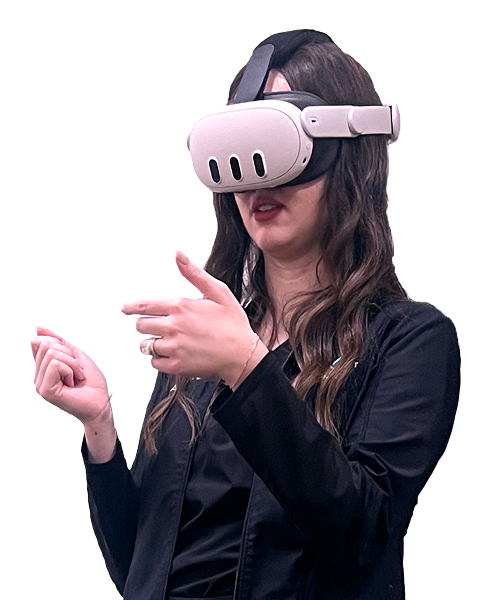
At ImmersiveQuest, we believe realistic, hands-on training is key to saving lives. Our immersive VR modules help nursing students and professionals recognise and respond to sepsis before it’s too late.
What Is Sepsis?
Sepsis is the body’s extreme and life-threatening response to an infection. Instead of fighting the infection locally, the body triggers widespread inflammation, damaging its own tissues and organs.
Common causes include:
Lung infections (pneumonia)
Urinary tract infections
Abdominal infections
Skin wounds or catheter-related infections
But the real challenge? Recognising it early.
The Golden Hour: Why Every Minute Counts
In Sepsis, time is everything. Studies show that for every hour delay in administering antibiotics, the risk of death increases significantly. The first signs are often non-specific—fatigue, elevated heart rate, or confusion—easily dismissed in busy wards. That’s why early detection is a clinical superpower. Nurses are often the first line of defence, the ones who notice the subtle shifts that hint something more serious is unfolding.
Warning Signs of Sepsis: Know the Clues
Here are the key warning signs healthcare workers must watch for:
Temperature: higher than 38.3°C or lower than 36°C
Heart rate: above 90 bpm
Respiratory rate: above 22 breaths per minute
Mental status changes: confusion, disorientation
Low blood pressure or signs of poor perfusion
Chills or shivering, severe discomfort
Oliguria (reduced urine output)
Skin changes: clammy, mottled, or pale
In the early stages, even one or two symptoms may signal trouble. The SOFA and qSOFA scores are often used to assess severity, but clinical judgment remains essential.
Where Training Makes the Difference
Despite awareness campaigns and protocols, sepsis still goes undiagnosed until it’s too late in many cases. Why?
Because recognizing patterns under pressure takes experience—something textbooks can’t fully teach.
That’s where ImmersiveQuest’s Sepsis Recognition & Response VR Simulation steps in.
Inside Our Sepsis Training Module
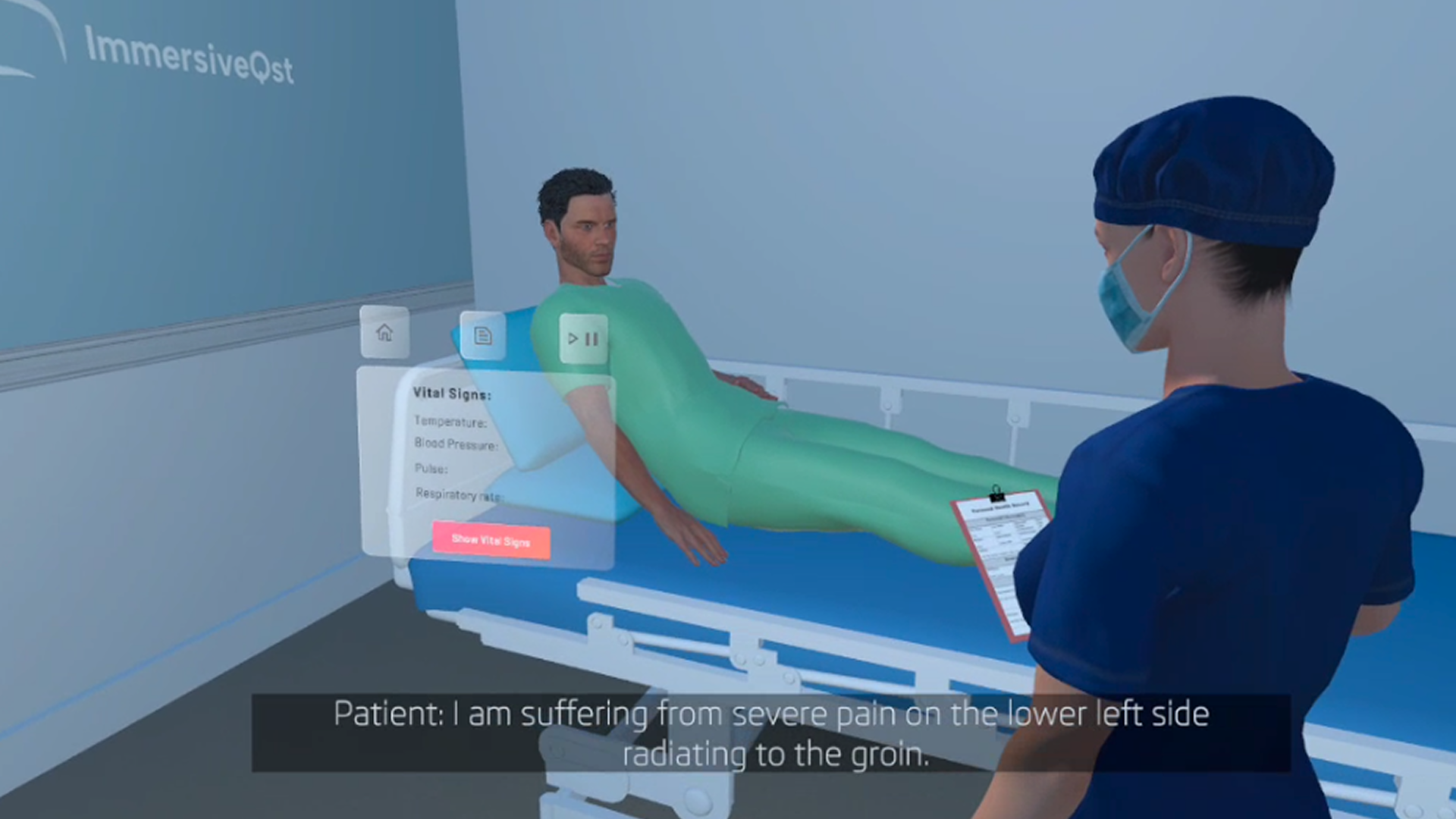
In our virtual simulation, learners step into realistic clinical environments and assess patients who may be showing early signs of sepsis. Each case is dynamic and designed to:
✅ Recreate the subtle progression of sepsis
✅ Encourage critical thinking under pressure
✅ Simulate real-time patient deterioration
✅ Reinforce the urgency of action
✅ Allow learners to escalate care, initiate fluid resuscitation, or alert rapid response teams
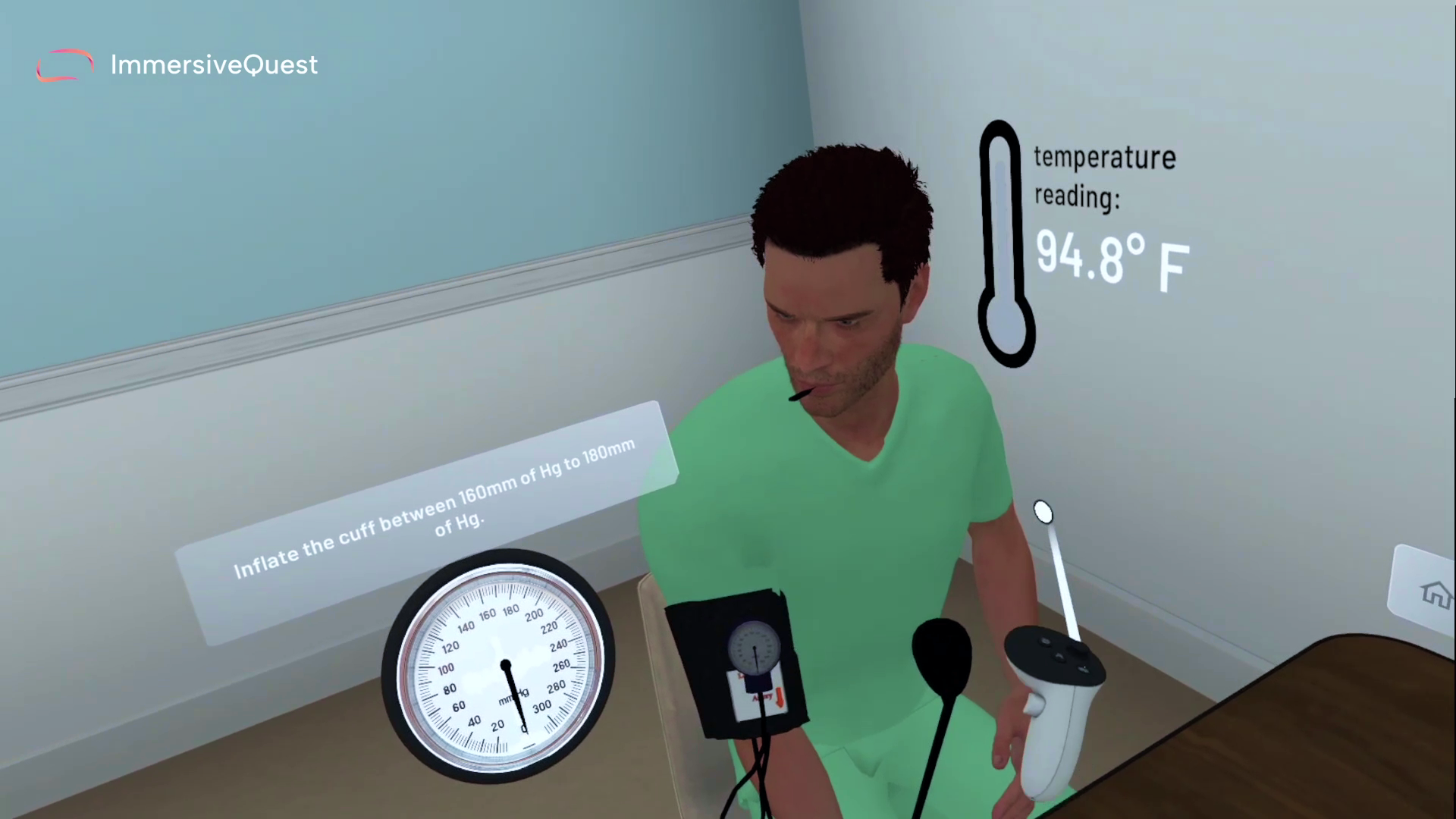
They must evaluate vital signs, review charts, assess consciousness, and interpret cues—just like in a real hospital setting.
Practice Builds Confidence. Confidence Saves Lives.
With VR, learners aren’t just memorizing sepsis signs—they’re feeling the urgency, making rapid decisions, and learning from feedback in a zero-risk setting. That builds:
Pattern recognition skills
Faster response times
Confidence in high-pressure situations
Improved collaboration and communication during emergencies
By the time they face a real sepsis case, their response will be second nature.
Sepsis Doesn’t Wait. Neither Should We.
The best treatment for sepsis is early detection and timely intervention. But both rely on how well our frontline workers are trained. ImmersiveQuest helps nursing students and healthcare teams see what others might miss—giving them the tools, repetition, and realism to act with confidence when every second counts. Because when it comes to sepsis, minutes matter, and practice truly saves lives.
Blogs you might be interested
Free Virtual Training Session
Please get in touch with us and we would be happy to give you
a demo of our cutting edge product.


 USA
USA
4904 Kentwood Dr, Marietta,
GA 30068
 INDIA
INDIA
505 Crossroads Bhumkar Chowk Service Rd. Shankar Kalat Nagar Wakad - Pune 411057

- Follow us on
