
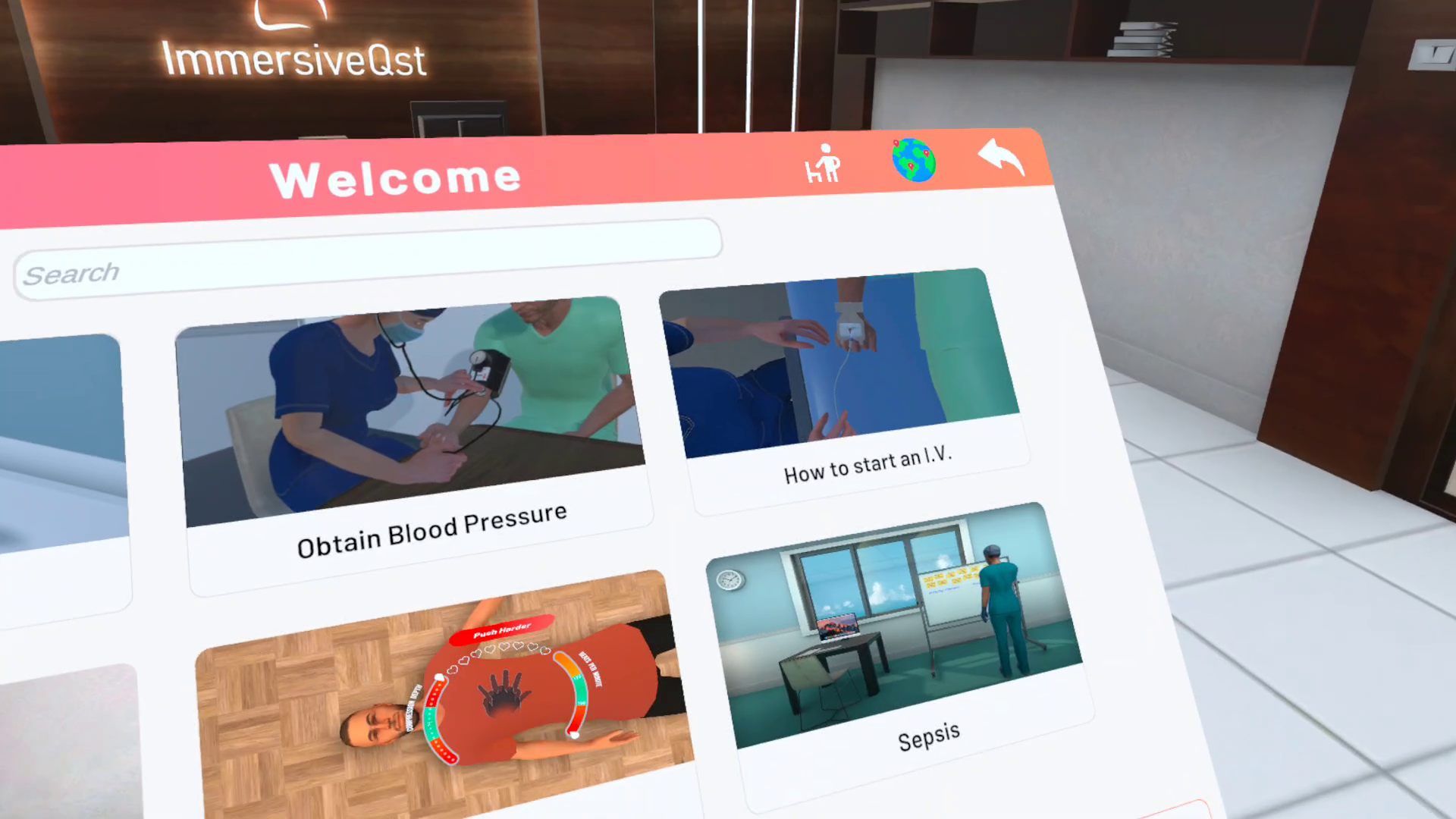
10 Groundbreaking Applications of Virtual Reality in Healthcare for 2025
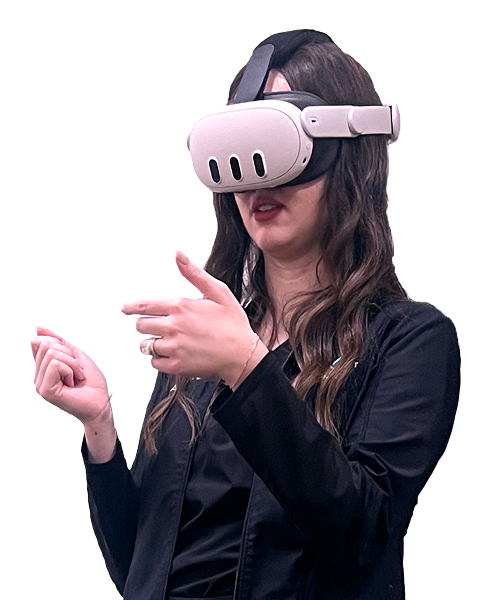
From immersive medical training to pain management and mental health treatments, VR is shaping the future of patient care and medical education. Here are ten groundbreaking applications of virtual reality in healthcare for 2025.
1. VR Medical Training for Surgeons
Surgeons can now practice complex procedures in a risk-free environment using virtual reality medical training. With hyper-realistic simulations, VR allows medical professionals to refine their techniques and improve precision before performing real-life surgeries, ultimately reducing medical errors and enhancing patient safety.
A 2022 report by Accenture found that VR training reduced surgical errors by 40%, leading to better patient outcomes.
2. VR Nursing Simulation for Hands-On Learning
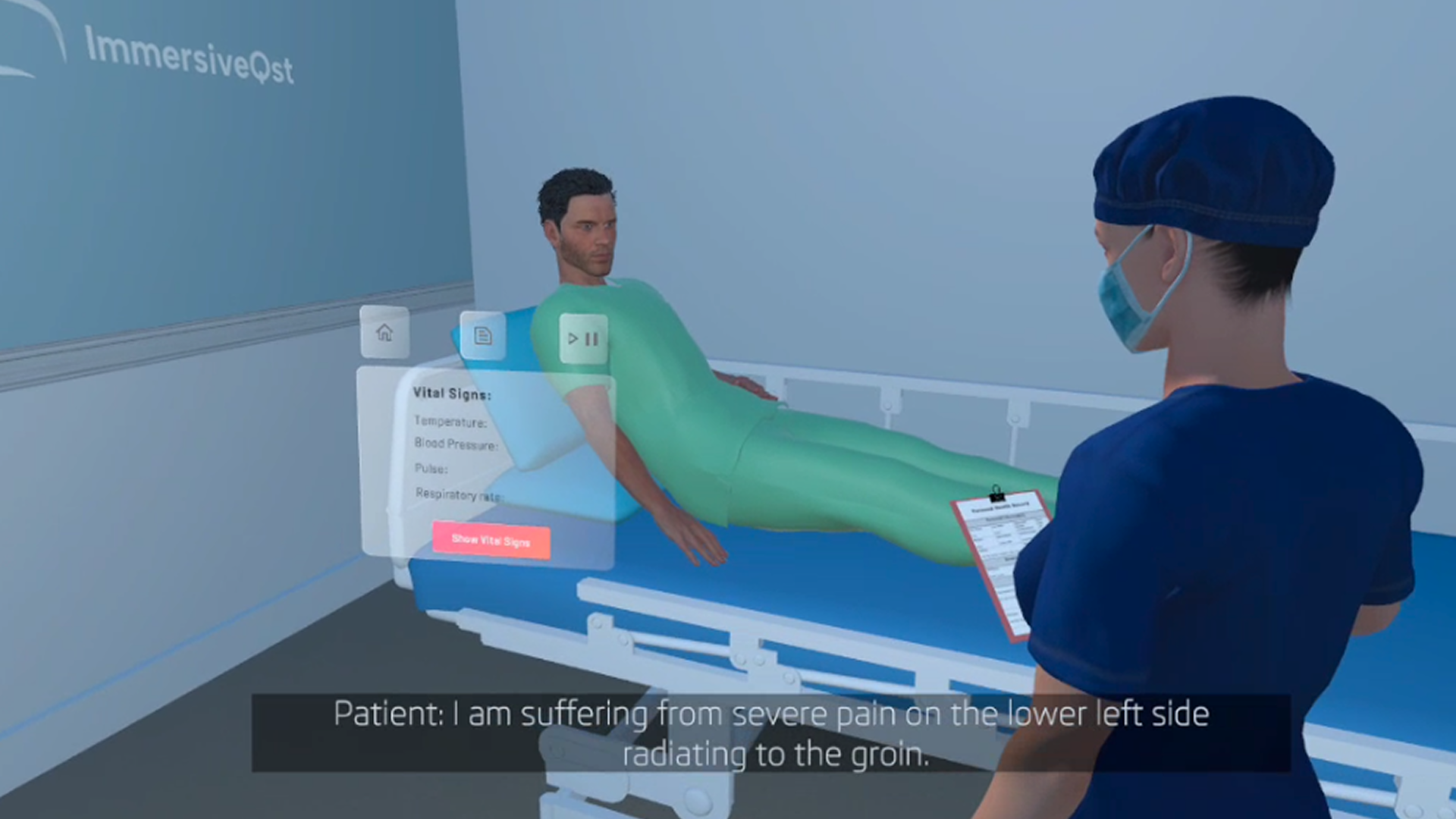
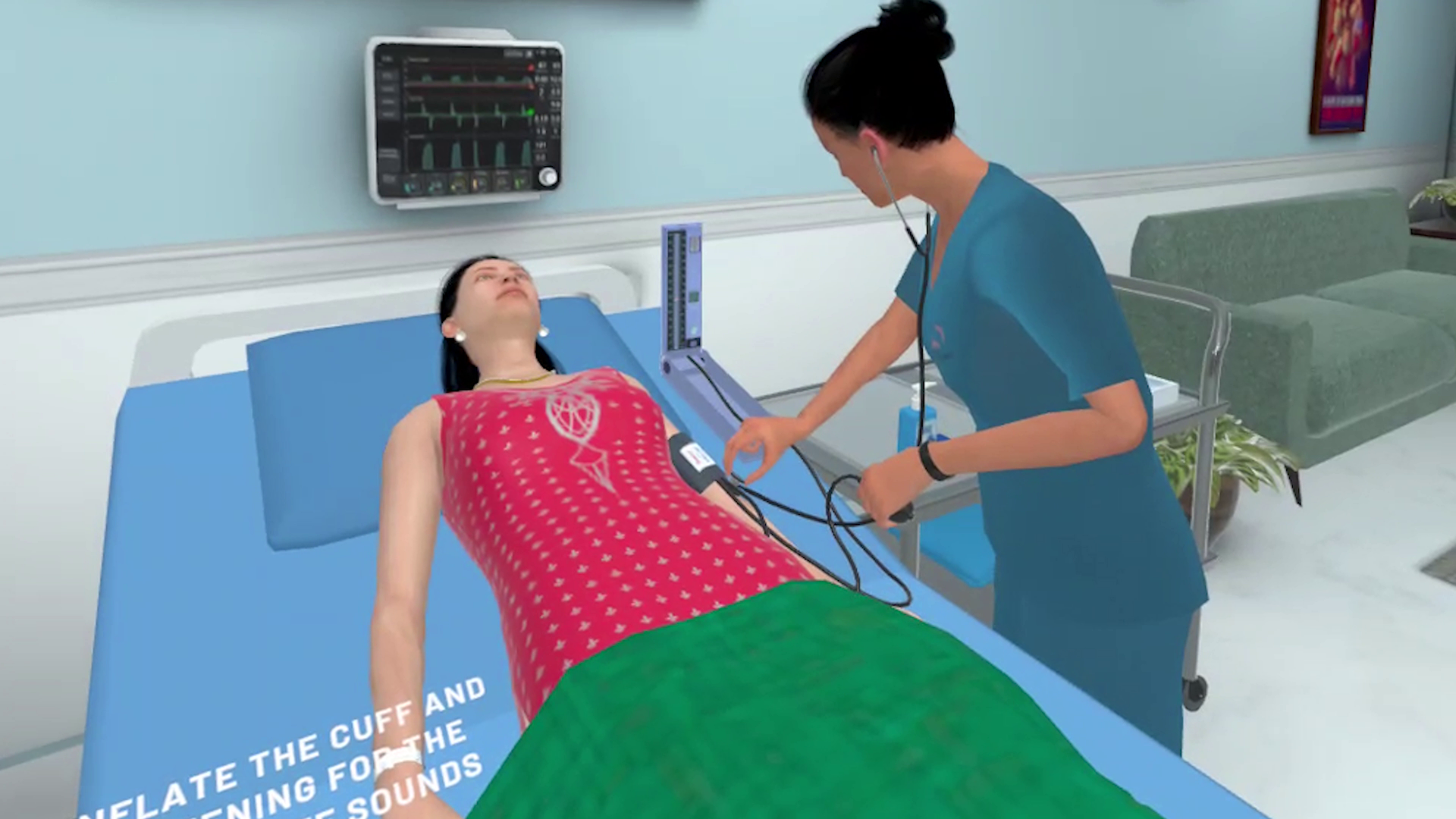
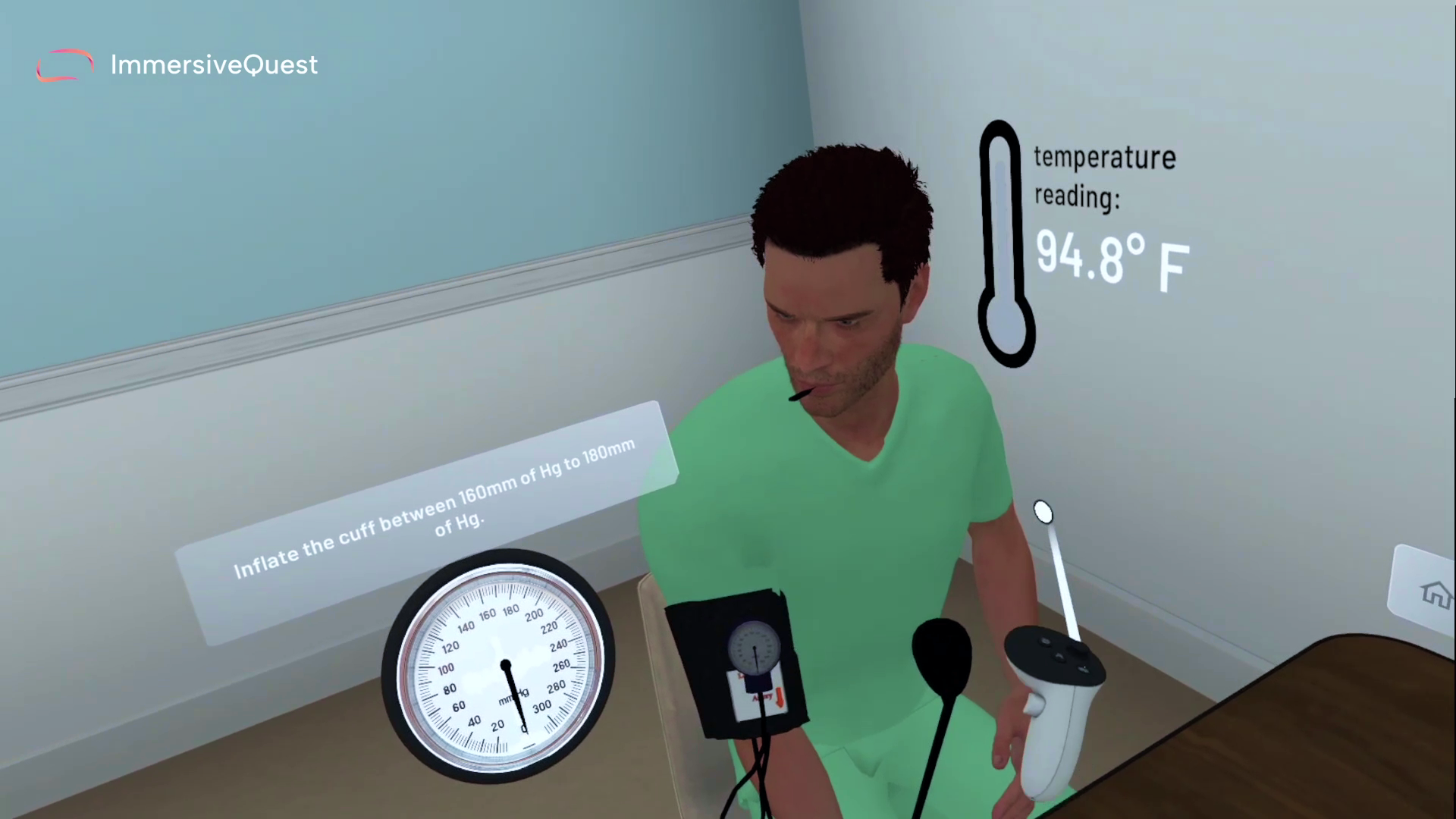
Nursing education has taken a leap forward with vr nursing simulation, providing students with realistic patient scenarios. These interactive simulations help nurses build confidence, improve decision-making skills, and enhance their ability to handle emergencies without the need for live patients.
Research from the National Council of State Boards of Nursing (NCSBN) found that VR-trained nurses performed 20% better in emergency response situations compared to traditionally trained nurses.
3. Pain Management Through VR Therapy
Chronic pain and post-surgical recovery are being transformed with VR-based pain management solutions. By immersing patients in calming virtual environments, VR can help reduce pain perception and reliance on opioids, offering a safer and more effective approach to pain relief.
4. Virtual Reality in Mental Health Treatment
VR is proving to be a game-changer in mental health care, providing immersive exposure therapy for anxiety, PTSD, and phobias. By recreating real-world scenarios in a controlled setting, VR therapy allows patients to confront and manage their fears in a safe and guided manner.
5. Rehabilitation and Physical Therapy Using VR
For patients recovering from strokes, injuries, or neurological disorders, VR-driven rehabilitation programs offer engaging and effective exercises. These simulations encourage movement, track progress, and enhance motivation, making physical therapy more enjoyable and productive.
6. VR for Dementia and Alzheimer’s Care
Virtual reality is being used to help dementia and Alzheimer’s patients by creating immersive reminiscence therapy experiences. These personalized VR experiences can stimulate memories, improve cognitive functions, and provide emotional comfort to patients suffering from memory loss.
7. VR for Enhancing Medical Education
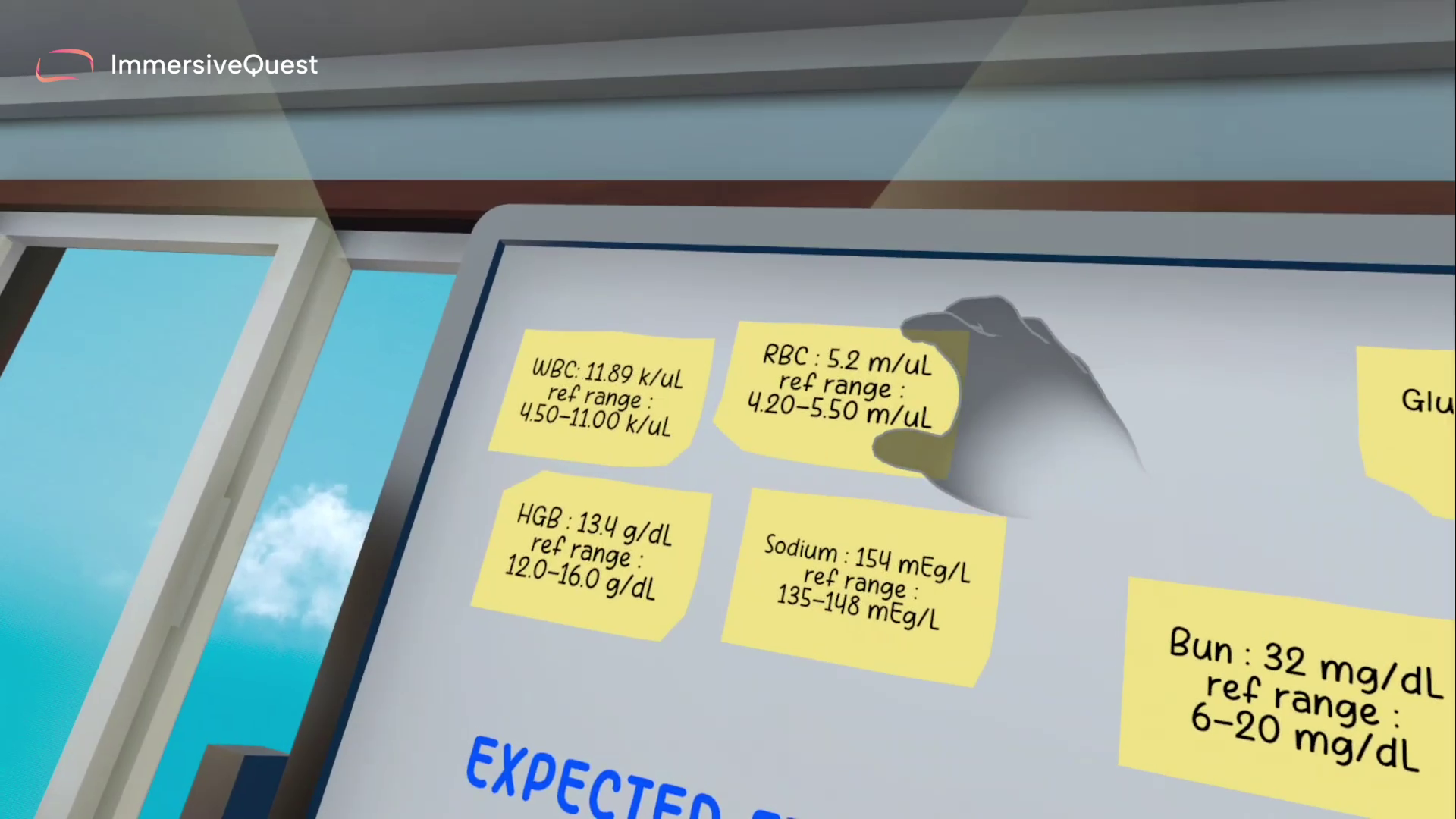
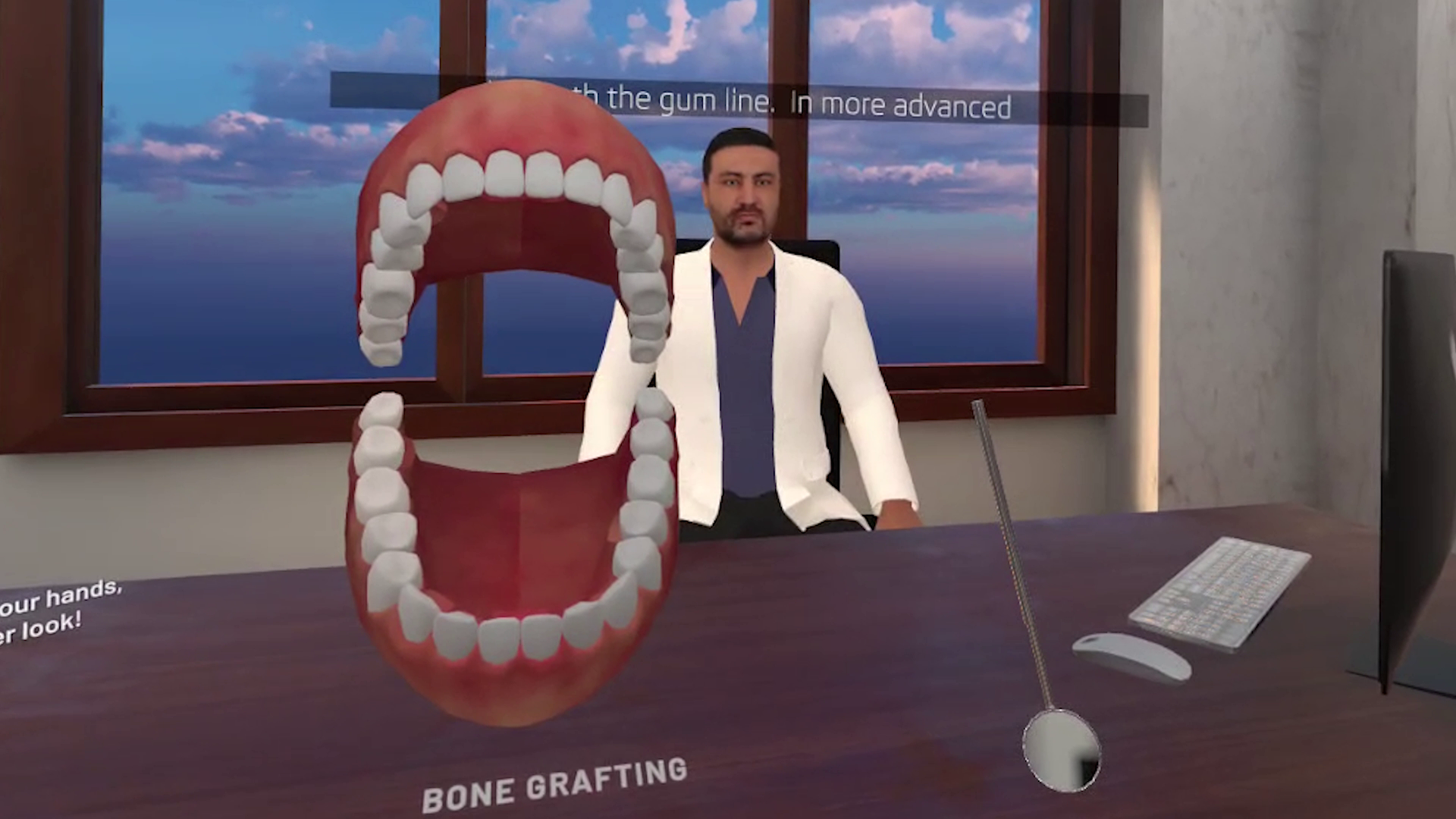
Virtual reality in medical education is redefining how students and professionals learn about anatomy, physiology, and medical procedures. With 3D interactive models and real-time simulations, VR provides an engaging and in-depth learning experience that traditional textbooks cannot offer.
8. Emergency and Disaster Response Training
First responders and emergency medical teams are using VR simulations to train for crisis situations, such as mass casualty incidents, natural disasters, and pandemics. These realistic scenarios allow healthcare workers to practice life-saving interventions in high-pressure environments without real-world consequences.
According to PwC, VR training reduced response times in emergency scenarios by 25%.
9. Patient Education and Preoperative Planning
VR helps patients better understand their medical conditions and upcoming procedures by providing interactive visualizations. Surgeons can also use VR to plan complex surgeries, improving precision and reducing the risk of complications during operations.
10. VR for Pediatric Care and Hospitalization Anxiety
Children undergoing medical procedures often experience fear and anxiety. VR is being used to distract and comfort pediatric patients by immersing them in engaging virtual worlds, making hospital visits and treatments less stressful and more manageable.
A 2021 study by Children’s Hospital Los Angeles found that 80% of pediatric patients reported reduced anxiety during procedures when using VR.
The Future of VR in Healthcare
As we move into 2025, the adoption of VR in healthcare is expected to grow exponentially. With continued advancements in technology, VR will play an even greater role in transforming patient care, medical training, and therapeutic treatments.
Are you ready to experience the future of virtual reality medical training?
Book a demo with ImmersiveQuest today and explore the endless possibilities of VR in healthcare.
Visit immersivequest.ai to get started.
Blogs you might be interested
Free Virtual Training Session
Please get in touch with us and we would be happy to give you
a demo of our cutting edge product.


 USA
USA
4904 Kentwood Dr, Marietta,
GA 30068
 INDIA
INDIA
505 Crossroads Bhumkar Chowk Service Rd. Shankar Kalat Nagar Wakad - Pune 411057

- Follow us on
