
How Virtual Reality is Transforming the Dental Patient Experience
How Virtual Reality is Transforming the Dental Patient Experience
Visiting the dentist can be a stressful experience for many patients. The sounds of drills, the anticipation of discomfort, and dental anxiety can make routine procedures overwhelming. However, virtual reality in healthcare is changing the way patients experience dental treatments, making visits more comfortable, calming, and even enjoyable. By integrating VR health applications into dental practices, professionals can create a more relaxed and reassuring environment for their patients.
1. Easing Dental Anxiety with Virtual Reality
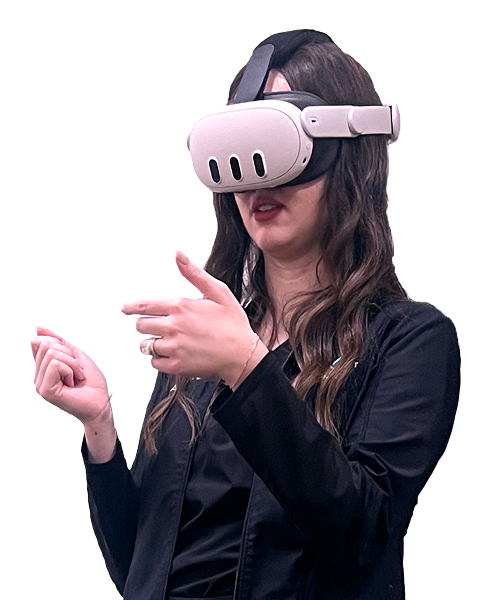
Dental anxiety is a common issue, preventing many individuals from seeking necessary oral care. VR health solutions offer an innovative way to help patients feel more at ease during their appointments. By wearing a VR headset, patients can be transported into immersive, calming environments—such as a serene beach, a quiet forest, or even a guided meditation session.
Virtual reality and healthcare work together to distract patients from the sights and sounds of the dental office, significantly reducing stress and fear. Studies have shown that patients who use VR during dental treatments report lower anxiety levels and a more positive overall experience.
2. Managing Pain Perception and Discomfort
Pain perception is largely influenced by psychological factors, including anxiety and anticipation. VR health applications can effectively reduce pain perception by engaging the patient’s mind in a different experience. While undergoing procedures such as fillings, extractions, or cleanings, patients can immerse themselves in interactive VR experiences that divert their focus away from discomfort.
Virtual reality in medical education has shown that immersive experiences can activate parts of the brain responsible for pain modulation. By leveraging this technology, dental professionals can offer a non-invasive pain management solution that enhances patient comfort without relying solely on anesthetics.
3. Improving Communication and Patient Education
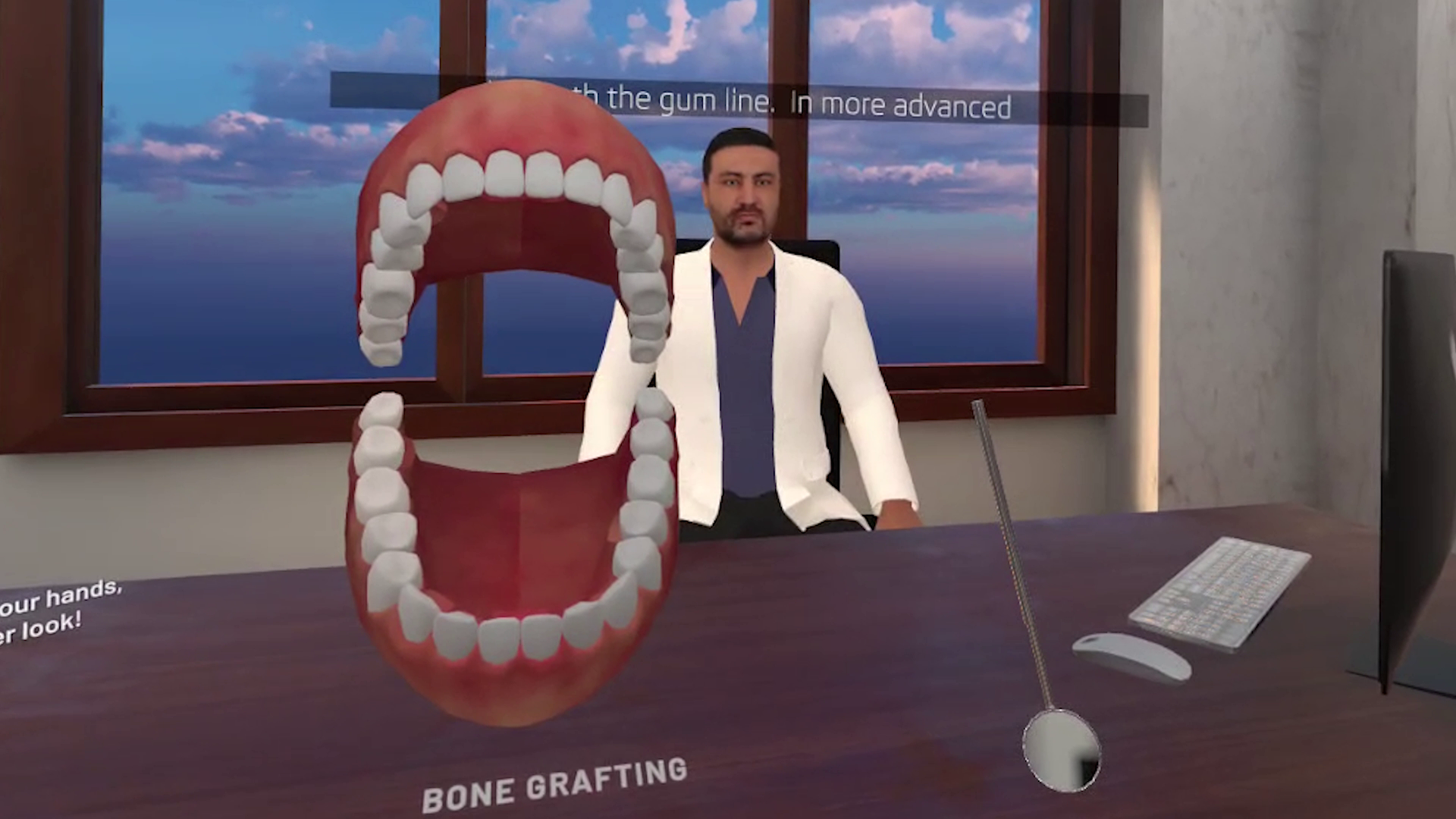
Many patients feel uneasy about dental procedures due to a lack of understanding about what will happen during their treatment. Virtual reality in dental training and education extends beyond professional development—it is also a powerful tool for patient education.
Through VR, dentists can provide patients with 3D visualizations of their dental conditions and the procedures needed to treat them. By walking patients through their treatment plans in an immersive and interactive manner, dentists can build trust and confidence, ensuring that patients are well-informed and more comfortable with their care.
4. Creating a Relaxing Treatment Environment
For patients undergoing longer procedures such as root canals or dental implants, sitting still for extended periods can be challenging. Virtual reality and healthcare solutions allow dentists to offer engaging, distraction-based therapies that keep patients relaxed throughout their treatment.
Some dental offices are now using VR experiences tailored to relaxation, such as guided breathing exercises, virtual nature walks, or even storytelling adventures that transport patients away from the dental chair. This approach significantly enhances the overall experience and helps reduce the perceived length of procedures.
5. VR in Pediatric Dentistry: Making Dental Visits Fun
Children are particularly prone to dental anxiety, often feeling fearful of unfamiliar dental instruments and procedures. Virtual reality in healthcare is proving to be a game-changer in pediatric dentistry, transforming what was once a stressful experience into an engaging and enjoyable one.
Using VR headsets, children can watch animated stories, explore virtual amusement parks, or even embark on interactive adventures—all while their dental treatment is being performed. This not only helps children remain calm and cooperative but also fosters a positive association with dental visits, promoting lifelong oral health habits.
6. Continuous Comfort: VR-Assisted Sedation and Relaxation
Virtual reality health applications are being integrated with sedation dentistry to enhance patient relaxation. For individuals undergoing sedation for extensive dental work, VR can create a multisensory experience that complements the effects of anesthesia.
By immersing patients in soothing virtual environments, VR helps maintain a state of calmness before, during, and after procedures. This approach is particularly beneficial for patients with extreme dental phobia or those undergoing surgical dental treatments.
7. The Future of Patient-Centered Dental Care with VR
As virtual reality in medical education and dental care continues to evolve, the potential for VR health applications in dentistry is expanding. Beyond managing dental anxiety and discomfort, VR technology is paving the way for a more patient-centered approach to oral healthcare.
Dental professionals who incorporate virtual reality into their practice are not only improving patient experiences but also enhancing their reputation as innovative and compassionate providers. As technology advances, we can expect VR to become a standard tool for patient comfort and engagement in dental clinics worldwide.
Conclusion: Experience a New Era of Dentistry with VR
The integration of virtual reality and healthcare is revolutionizing the dental industry, making procedures more comfortable and stress-free for patients of all ages. From reducing anxiety and pain perception to enhancing patient education and relaxation, VR health applications are setting a new standard for dental care.
ImmersiveQuest is at the forefront of this transformation, offering cutting-edge VR solutions tailored for dental professionals and patients alike. By leveraging advanced immersive technologies, ImmersiveQuest provides innovative training simulations, relaxation environments, and patient engagement tools designed to improve every aspect of dental care.
If you’re ready to transform your dental experience with VR, now is the time to explore the possibilities.
Book a demo with ImmersiveQuest today and discover firsthand how virtual reality in dental training and education is reshaping patient care for the better.
Blogs you might be interested
Free Virtual Training Session
Please get in touch with us and we would be happy to give you
a demo of our cutting edge product.


 USA
USA
4904 Kentwood Dr, Marietta,
GA 30068
 INDIA
INDIA
505 Crossroads Bhumkar Chowk Service Rd. Shankar Kalat Nagar Wakad - Pune 411057

- Follow us on
